Kusini Kwetu
Habari za ndani na nje nchi
recent posts
- RUNALI, Wadau wa Usafirishaji Wakutana Kujiandaa na Msimu Mpya wa Mazao
- Vijana, Akina Mama Nachingwea Wanufaika Mikopo 10% ya Halmashauri
- e-GA Yatoa Msaada kwa Watoto Wenye Uhitaji
- Watumishi Wanawake Bandari ya Tanga Wasaidia Mashine za Upumuaji Bombo
- DC Moyo Apongeza Utendaji Kamati ya Lishe Wilaya
about
-
Na Mwandishi Wetu
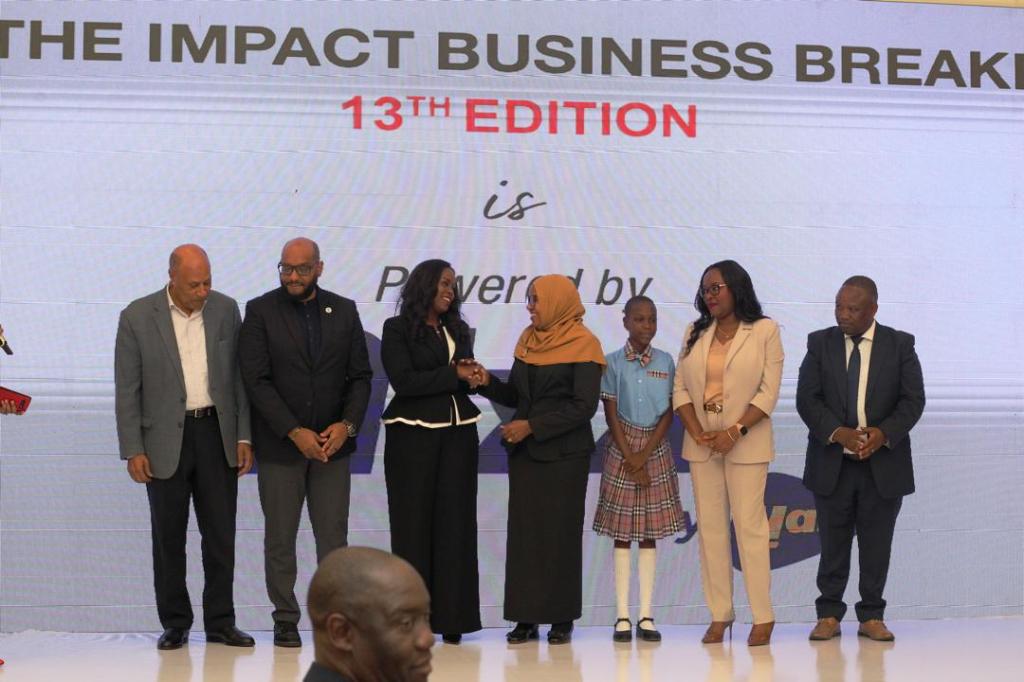
Naibu Gavana wa Benki Kuu ya Tanzania (BOT) anayesimamia Uhimilivu wa Kifedha na Uendeshaji wa Sekta ya Fedha, Sauda Msemo amesema sekta ya fedha nchini inapaswa kuendana na kasi ya ukuaji wa teknolojia duniani ili kulinda usalama wa kiuchumi na kuchochea maendeleo.
Msemo alitoa kauli hiyo mwishoni mwa wiki jijini Dar es Salaam wakati wa kongamano lililohusisha wadau mbalimbali wa maendeleo kutoka katika taasisi zinazohusika na mnyororo wa fedha na teknolojia.
“Teknolojia inakua kwa kasi sana, taifa haliwezi kubaki nyuma, hatuwezi kuwa salama kama hatutakuwa sehemu ya ukuaji huo na ni lazima tushirikiane kukuza teknolojia yetu kwa kuzingatia vigezo vya usalama na uendelevu,” alisema Msemo.
Alisema katika juhudi za kuimarisha usimamizi wa bidhaa mpya za teknolojia ya kifedha, Benki Kuu ya Tanzania imeanzisha mazingira maalumu ya majaribio (sandbox), ambayo yanalenga kuwapa wabunifu fursa ya kujaribu bidhaa zao kabla ya kuziingiza rasmi sokoni.
“Hatutaki bunifu ziingie sokoni zikiwa hazijajaribiwa kisha zikaleta madhara bali tunataka ziwe katika mazingira salama kwa kujaribiwa, zikidhi vigezo, ndipo zihidhinishwe kwa ajili ya matumizi ya umma,” aliongeza Msemo.
Mwanzilishi na Mkurugenzi wa Impact Advisory, Angel Mbogoro, alisema kampuni yao imekuwa mstari wa mbele kusaidia taasisi na watu binafsi kujenga uwezo katika maeneo ya uongozi, teknolojia na uendelevu.
“Tumeona kuna pengo la utaalamu nchini ndiyo maana tumeanzisha programu za kuwajengea watu uwezo wa kuongoza taasisi, kutumia teknolojia na kuongeza ujasiri wao katika uwajibikaji ili kuchochea kasi ya maendeleo,” alisema Mbogoro.
Aidha, alibainisha changamoto ya viongozi kutotoa ushirikiano kwa wafanyakazi wao na pindi wanapoondoka ofisini hivyo kuacha pengo kubwa kwa kampuni kuajiri wataalamu kutoka nje ya nchi wakati wapo wenye uwezo lakini hawakuibuliwa.
Mkurugenzi wa Taasisi inayojihusisha na sanaa, uongozi kwa wasichana na mabadiliko ya tabia nchi, Small Hands Big Change, Akoth Okeyo, alisema teknolojia ina mchango mkubwa kwa vizazi vijavyo ikiwa watapatiwa elimu sahihi mapema.
Alisema watoto wanapaswa kufundishwa matumizi Chanya teknolojia ili kuwasaidia wasichana kupata taarifa kupitia akili unde (AI) kwa ajili ya miradi ya tabia nchi na kwamba anaamini teknolojia ni njia sahihi ya kuleta mabadiliko katika jamii.
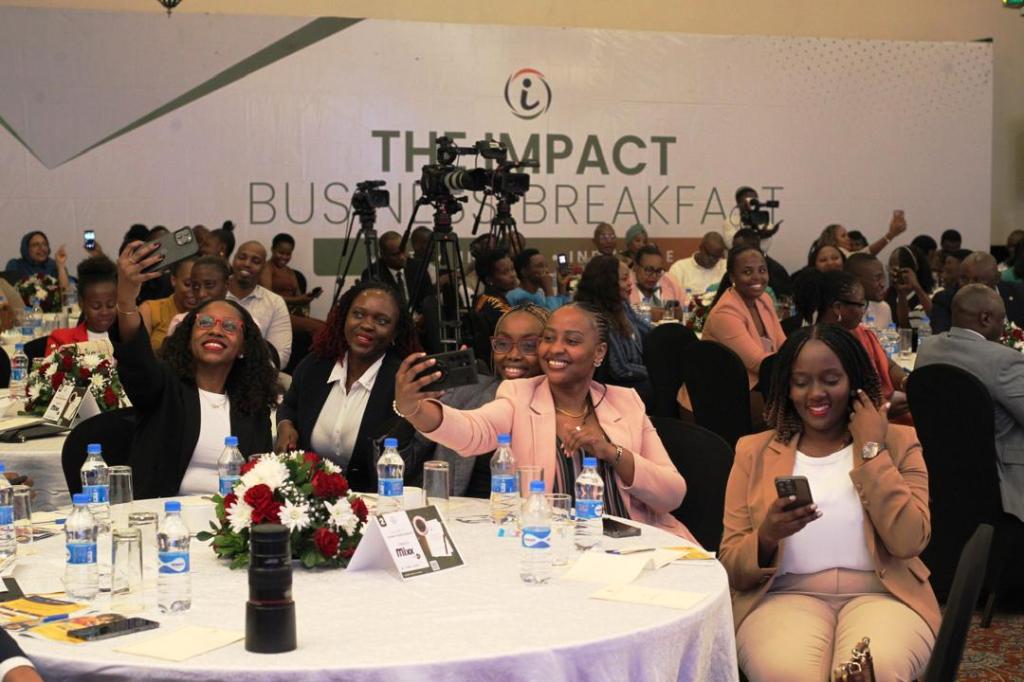
Kongamano hilo liliibua hoja nyingi kuhusu umuhimu wa kushirikiana kati ya sekta ya umma na binafsi katika kukuza teknolojia bunifu zenye kuzingatia maslahi ya taifa, wadau walisisitiza kuwa ushirikiano wa pamoja ndiyo njia pekee ya kusukuma mbele ajenda ya maendeleo jumuishi na endelevu.
-
Na Issa Mwandagala, Songwe
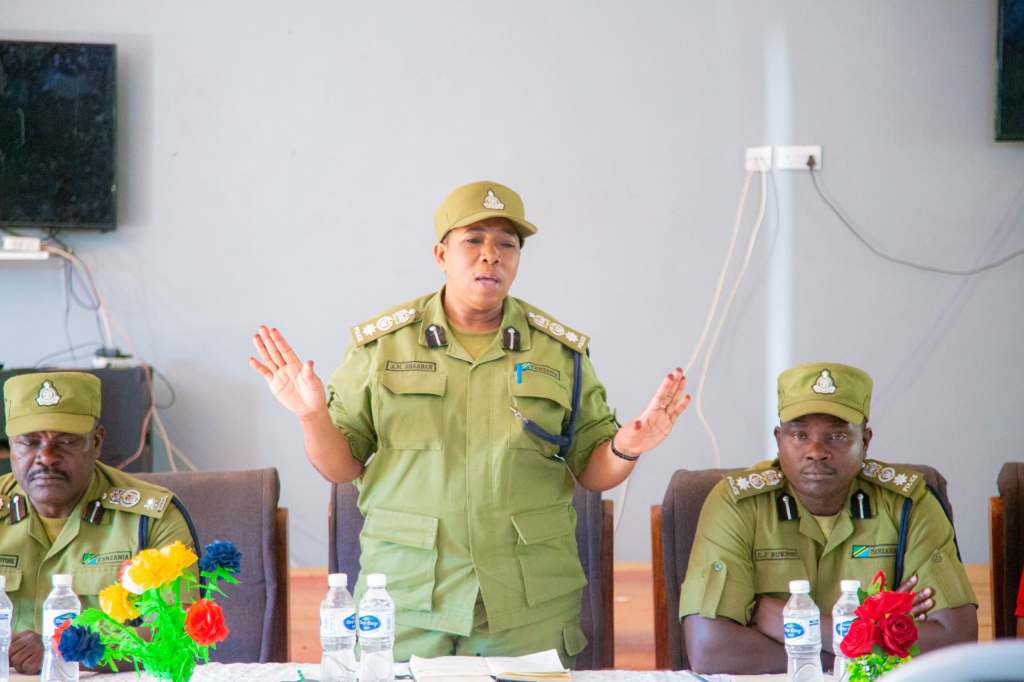
Askari wa kikosi cha usalama barabarani Mkoa wa Songwe wametakiwa kuendelea kutoa huduma bora kwa jamii kwa kuzingatia maadili ya kazi wakati wakitekeleza majukumu yao ya kusimamia sheria za usalama barabarani ili kuendelea kujenga taswira nzuri kwa Jeshi la Polisi.
Hayo yameelezwa Leo na Afisa Mnadhimu wa Polisi Mkoa wa Songwe, Kamishna Msaidizi wa Polisi (ACP), Akama Shaaban wakati akiwapongeza askari wa kikosi hicho kwa kazi nzuri wanayofanya ya kuhakikisha hali ya usalama barabarani inaendelea kuimarika kwa watumiaji wa barabara Mkoni humo.
“Najua mnatambua moja kati ya maadili ya Jeshi la Polisi ni kufanya kazi kwa kuzingatia utoaji wa huduma bora kwa mteja ambapo ni pamoja na kutumia lugha nzuri wakati mnapowahudumia wateja hao ili kujenga taswira chanya na Wananchi waendelee kuliamini jeshi letu” alisema ACP Akama.
Mkuu wa Operesheni Mkoa wa Songwe, Kamishna Msaidizi wa Polisi (ACP), Nicholaus Livingstone alisema rushwa sio maadili ya Jeshi la Polisi na ni kitendo ambacho kinatia doa na kulichafua Jeshi.
“Rushwa inaondoa Imani ya wananchi kwa jeshi la polisi, ninawataka kutojihusha nayo ili kuendelea kuilinda taswira chanya ya Jeshi letu”, alisema ACP Livinstone.
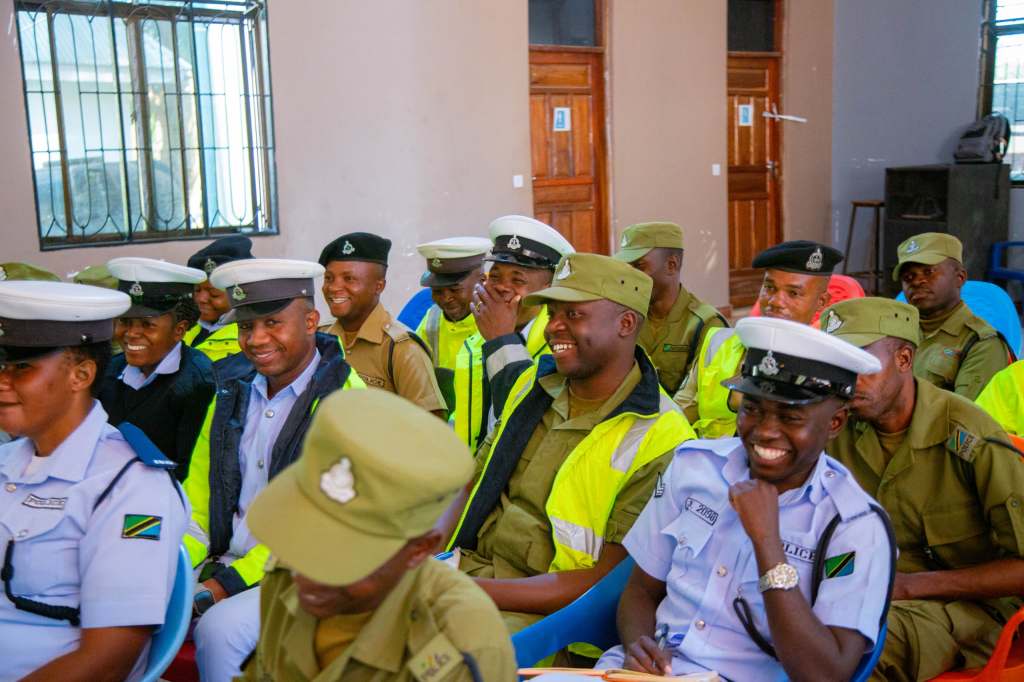
Kwa upande wake, Mkuu wa Kikosi cha Usalama Barabarani Mkoa wa Songwe, Kamishna Msaidizi wa Polisi (ACP), Joseph Bukombe aliwapongeza askari hao kwa kuendelea kutoa elimu kwa madereva wa vyombo vya moto pamoja na watumiaji wa barabara juu ya matumizi sahihi ya barabara ikiwa ni pamoja na kutii sheria za usalama barabarani ili kuepusha ajali zinazoweza kuepukika mkoani humo.

-

Na Mwandishi Wetu
Wito umetolewa kwa taifa na jumuiya za kimataifa kuchukua hatua za haraka kudhibiti ongezeko la taka za plastiki ambazo ni miongoni mwa changamoto kubwa za kimazingira zinazoikumba dunia kwa sasa.
Akizungumza jijini Dar es Salaam wakati wa maadhimisho ya siku ya Mazingira Duniani yaliyoambatana na usafi wa mazingira na yaliyoandaliwa na Shirika la Haki za Binadamu na Utunzaji Mazingira (HUDEFO), mwakilishi wa Shirika la Mazingira la Umoja wa Mataifa (UNEP) nchini Tanzania, Clara Makenya, alisema tani milioni 450 za taka za plastiki huzalishwa duniani kila mwaka.
Alisema iwapo juhudi za makusudi hazitachukuliwa mapema ifikapo mwaka 2050 bahari zitakuwa na plastiki nyingi kuliko samaki.
Kwa mujibu wa takwimu kutoka Ofisi ya Makamu wa Rais nchini, Tanzania inazalisha kati ya tani milioni 14.4 hadi 20.7 za taka ngumu kila mwaka sawa na wastani wa kilo 241 hadi 347 kwa kila mtu kwa mwaka.
Miongoni mwa taka hizo, asilimia 12 ni taka za plastiki ambazo ni takribani kati ya tani milioni 1.73 hadi 2.48 kwa mwaka wakati ni asilimia 5 hadi 10 pekee ya taka zote zinazozalishwa nchini ndizo zinazorejelewa kwa sasa licha ya kwamba asilimia 70 ya taka hizo zinaweza kurejelewa.
“Taka za plastiki ni janga la dunia, zinaharibu mazingira, zinatishia uhai wa viumbe vya majini na hata afya ya binadamu kwa kuchangia magonjwa yasiyoambukiza,” alisema Makenya.
Alisema kuna haja ya kushirikiana kwa nguvu zote serikali, mashirika, sekta binafsi na jamii kupunguza uzalishaji wa plastiki kwa kuzirejeleza na kuhakikisha sheria za mazingira zinasimamiwa ipasavyo sanajli na utoaji wa elimu kwa umma ili kuachana na tabia ya kutupa taka ovyo.
Katika kutekeleza wajibu huo, Shirika la Catholic Relief Services (CRS) limesema linatekeleza mradi wa kuchochea uchumi mzunguko katika wilaya tatu za Mkoa wa Kigoma.
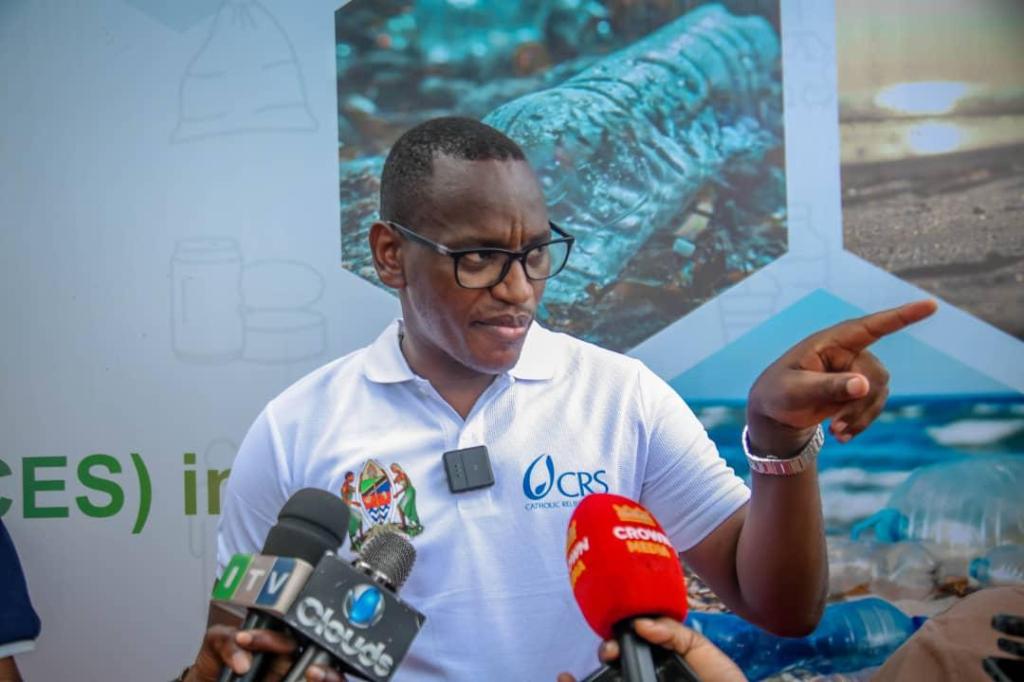
Meneja wa Programu wa CRS, Roberts Muganzi, alisema mradi huo unalenga kuelimisha jamii kuhusu usimamizi wa taka, kuanzisha mifumo ya urejelezaji, na kushirikiana na taasisi za kifedha kusaidia wabunifu wa bidhaa za plastiki.
“Licha ya kutoa elimu kwa jamii, tumetenga shilingi bilioni nne kwa ajili ya kuwasaidia wabunifu wenye mawazo ya kuzalisha bidhaa bora kutoka taka za plastiki ili kuongeza thamani ya plastiki badala ya kuziacha zichafue mazingira,” alisema Muganzi.
Asasi isiyokuwa ya kiserikali inayojihusisha na Haki za Binadamu na Utunzaji wa Mazingira (HUDEFO) imeendesha zoezi la usafi katika eneo la Bwalo la Maafisa wa Polisi , Masaki, ambapo washiriki 264 walijitokeza kukusanya taka za plastiki katika maeneo yanayozunguka bahari.
Mkurugenzi wa HUDEFO, Sara Pima alisema asasi yake inaendelea kuhamasisha uchumi rejelezi na kutoa mafunzo kwa vijana kuhusu namna ya kutumia taka kama fursa ya kiuchumi.
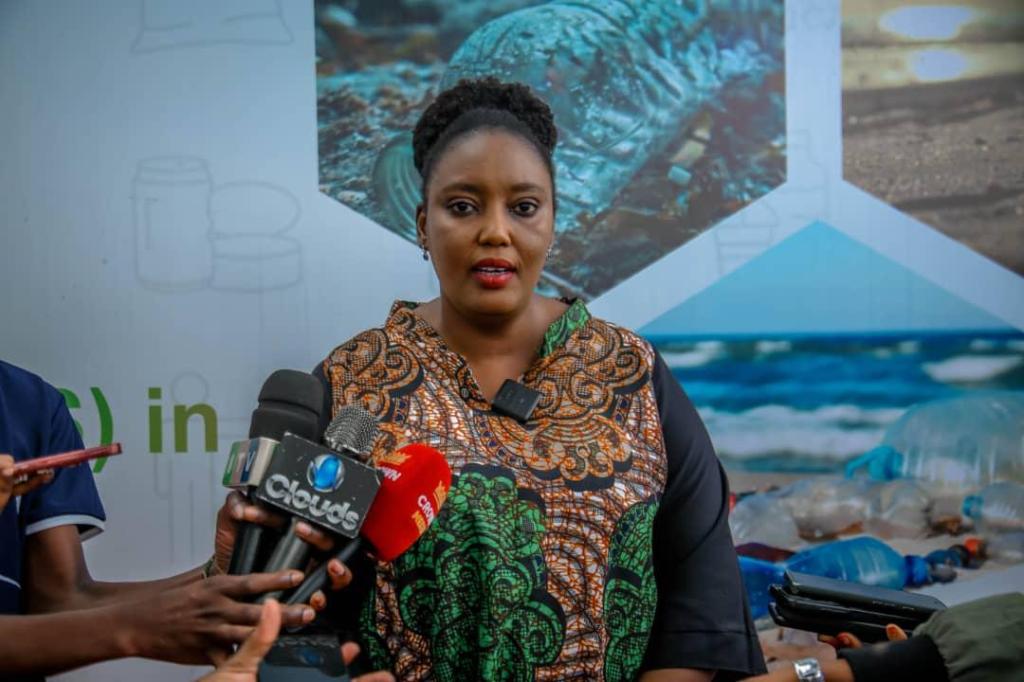
Alisisitiza umuhimu wa serikali kuwatambua rasmi wakusanyaji wa taka na kuwawekea mifumo rafiki ili waweze kufanya kazi yao kwa ufanisi zaidi.
“Wakusanyaji wa taka ndio jeshi la kwanza katika mapambano dhidi ya uchafuzi wa mazingira, lakini bado hawajatambuliwa ipasavyo na wito wetu kwa serikali kuwawekea mazingira bora ya kazi,” alisema Pima.
Kwa uapande wake, Mkurugenzi Msaidizi wa Idara ya Uzingatiaji na Utekelezaji wa Sheria kutoka Baraza la Taifa la Usimamizi wa Mazingira (NEMC), Jamali Baruti, alisema serikali inaendelea kusimamia utekelezaji wa sheria na kuhamasisha uwekezaji katika viwanda vya urejelezaji wa taka ili kudhibiti changamoto hiyo na kutoa fursa ya ajira.
Wadau wanasema si wakati wa kusubiri, dunia iko katika hatari ya kupoteza rasilimali muhimu kama maji safi, samaki, na afya ya jamii iwapo suala la taka za plastiki halitapewa uzito unaostahili.
Asasi ya HUDEFO kwa kushirikiana na NABU International imezindua ripoti mpya ya tathmini ya mfumo wa kisheria kuhusu Uwajibikaji wa Wazalishaji (EPR) ikieleza kuwa zaidi ya tani 29,000 za plastiki zimeripotiwa kuwepo baharini, mito na maziwa nchini mwaka 2018 pekee zikiathiri maisha ya viumbe wa majini na usalama wa chakula.
Ripoti inaonesha kuwa licha ya Tanzania kuwa na Sheria ya Usimamizi wa Mazingira (EMA), hakuna mwongozo madhubuti wa kulazimisha wazalishaji wa plastiki kuwajibika kwa taka zinazotokana na bidhaa zao.
Hali hiyo imesababisha mikoa ya Dar es Salaam, Morogoro na maeneo ya mengine ya Pwani kujaa taka, huku wachukuzi taka wakifanya kazi ngumu bila kutambuliwa kisheria.
Takwimu zinaonyesha kuwa ni viwanda vichache tu vinavyotekeleza wajibu wao kama watengenezaji (EPR) kwa hiari, hali inayokwamisha juhudi za kupunguza taka za plastiki.
Ripoti inapendekeza Sheria ya Usimamizi wa Mazingira ya mwaka 2004 kusimamiwa ipasavyo kwa kuweka mfumo wa lazima wa urejeshaji wa bidhaa (take-back system), na kuwatambua rasmi wachukuzi taka.
Inahimiza haki ya mazingira safi ijumuishwe katika Katiba ya Tanzania huku pia ikiitaka serikali kuendelea kushirikiana na sekta binafsi kutunga kanuni madhubuti.

-
Na Gabriel Msumeno, Pwani
Timu ya madaktari bingwa chini ya mpango maalum wa Rais wa Jamhuri ya Muungano wa Tanzania, Mhe. Samia Suluhu Hassan imewasili mkoani Pwani kwa ajili ya kutoa huduma za kibingwa katika maeneo mbalimbali ya mkoa huo.
Mratibu wa timu hiyo kutoka Wizara ya Afya, Joachim Masunga amesema ujio wa madaktari hao kwa mara ya tatu mkoani humo unalenga kupunguza changamoto zinazowakabili wakazi wa Pwani ambao kwa muda mrefu wamekuwa wakilazimika kusafiri umbali mrefu hadi Hospitali ya Taifa ya Muhimbili ili kupata huduma za kibingwa.
“Ujio wa madaktari hawa unalenga kupunguza gharama na usumbufu wa usafiri wa wagonjwa pamoja na kuimarisha huduma za afya katika mkoa huu,” alisema Masunga.
Alisema madaktari hao watakuwa mkoani Pwani kwa kipindi cha siku tano na wamesambazwa katika hospitali za halmashauri zote tisa za mkoa huo ili kuhakikisha huduma zinawafikia wananchi kwa usawa na kwa wakati.
Akizungumza baada ya kuwapokea madaktari hao, Mganga Mkuu wa Mkoa wa Pwani, Dkt. Kusirie Ukio alisema ujio wa timu hiyo ni hatua muhimu katika kuboresha huduma za afya na kupunguza idadi ya rufaa zinazotumwa Muhimbili.
“Ujio wa madaktari hawa utasaidia kwa kiasi kikubwa kupunguza rufaa hizo na kuleta unafuu kwa wagonjwa na familia zao,” alisema Dkt. Ukio.
Mpango huu ni sehemu ya jitihada za serikali kuhakikisha huduma bora za afya zinapatikana hadi ngazi za chini na kwamba kila mtanzania anapata huduma stahiki bila vikwazo vya kijiografia au kiuchumi.
-
Na Issa Mwandagala
Wazazi na walezi Mkoani Songwe wametakiwa kutoruhusu watoto wenye jinsi tofauti kulala katika chumba kimoja kwani ndio chanzo cha mmonyoko wa maadili kwani wengi huanza kujihusisha na mahusiano ya kimapenzi katika umri mdogo.
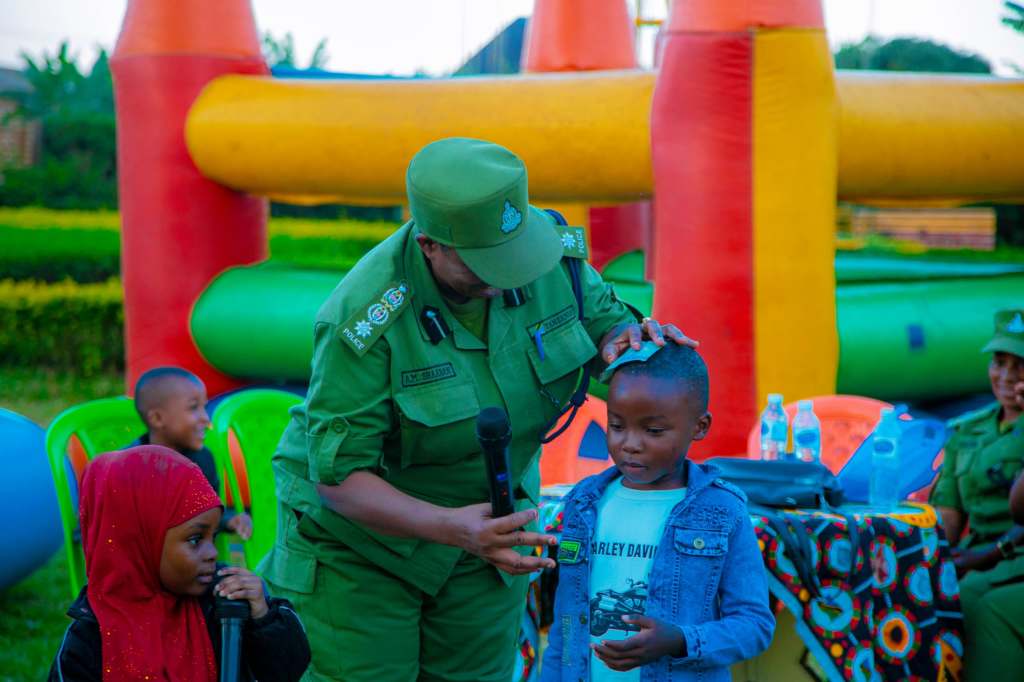
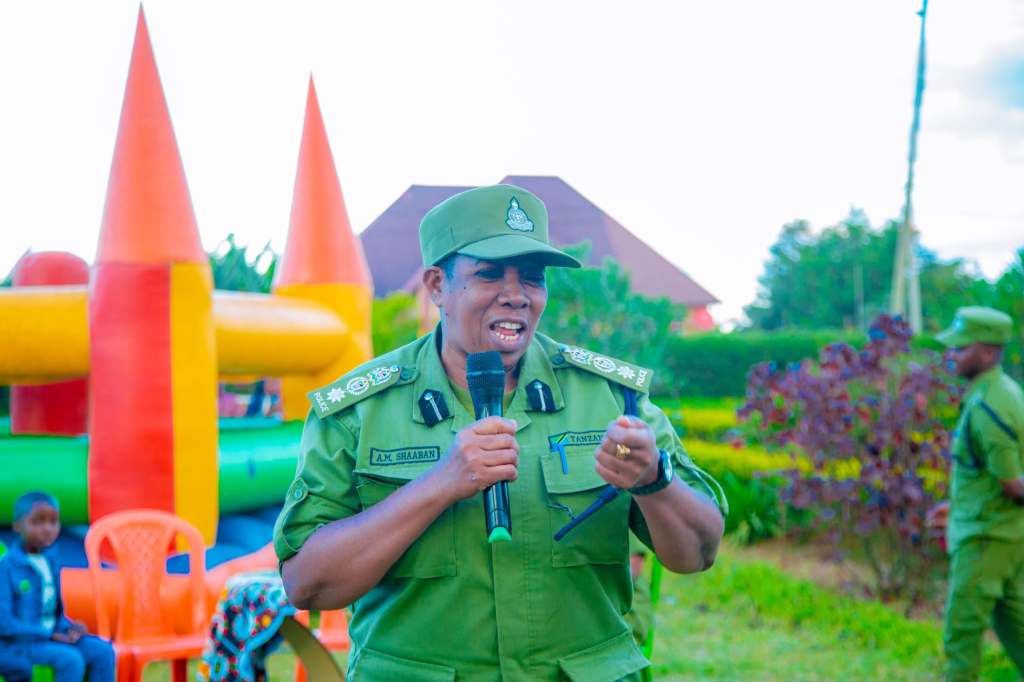
Kauli hiyo ilitolewa hivi karibuni na Afisa Mnadhimu wa Polisi Mkoa wa Songwe, Kamishna Msaidizi wa Polisi (ACP) Akama Shaaban wakati akitoa elimu ya madhara ya ukatili wa kijinsia kwa wazazi, walezi na watoto waliofika kwa ajili ya michezo mbalimbali katika Kituo cha kutambua na kukuza vipaji vya watoto kiitwacho Mwakitwange Toto Center kilichopo maeneo ya Isangu Wilaya ya Mbozi.
Alisema uzoefu na tafiti zinaonesha kuwa vitendo vya watoto kujiingiza katika mahusiano ya kimapenzi vinaanzia majumbani ambapo watoto wenye jinsi mbili tofauti wanalala chumba kimoja.
Sanjali na hilo alisema wazazi na walezi wanapaswa kuwa makini na wageni, ndugu au jamaa wanaowatembelea na kutorusu wageni hao kulala na watoto wao kwani wakati mwingine ndio chanzo cha mahusiano wakiwa wadogo na kuhatarisha mfumo wao wa akili.
Alisema watoto wanapoanza vitendo vya mahusiano ya kimapenzi katika umri wadogo ni sababu ya kutokuwa na mwamko wa kimasomo na badala yake hujiingiza kwenye vitendo hivyo na watu wenye umri mkubwa ambapo ndio chanzo cha ukatili wa kijinsia.
“Kuwalaza chumba kimoja ndugu, jamaa au marafiki wanaowatembelea na watoto wetu ni ukatili kwa watoto”, alisema ACP Akama.
Kwa upande wake Mkuu wa Dawati la Jinsia na Watoto Mkoa wa Songwe, Mkaguzi wa Polisi Eletisia Mtweve amewataka wanaume kutotelekeza watoto wao kwani kufanya hivyo ni chanzo cha kuwa na watoto wa mitaani na ongezeko la waanaofanyiwa vitendo vya ukatili ikiwemo kubakwa na kulawitiwa.
Koplo Gladness Sizya alisema ni jukumu la kila mzazi/mlezi kuhakikisha anatoa huduma bora kwa mtegemezi wake ili kupunguza vitendo vya ukatili na unyanyasaji dhidi ya watoto katika jamii ili kuwa na mazingira rafiki na salama yatakayowasaidia kutimiza ndoto zao.
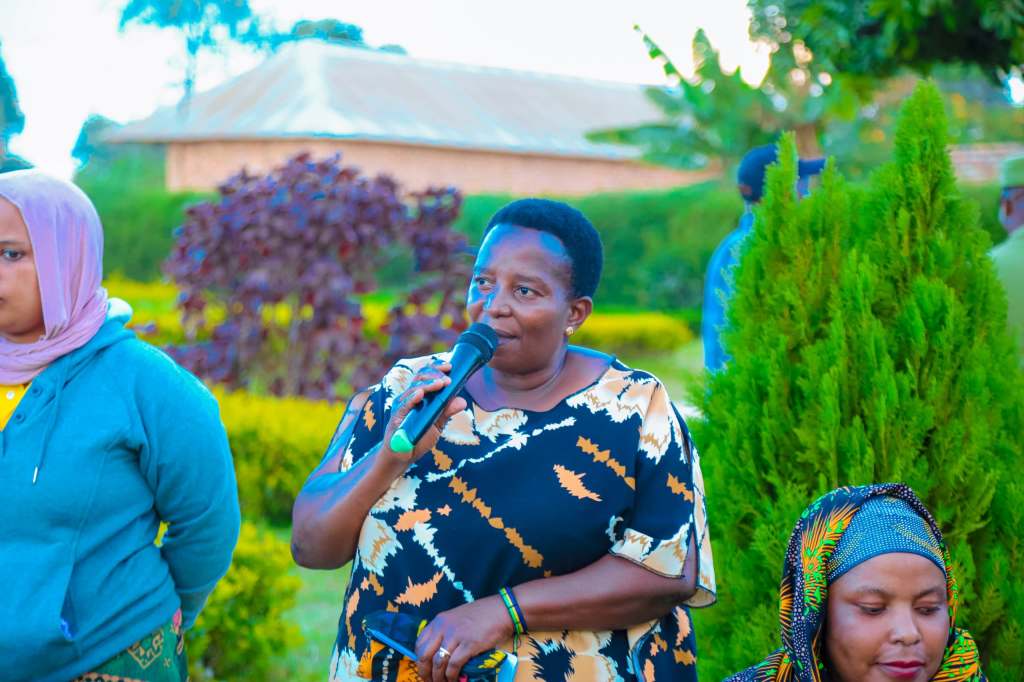
Mkurugenzi wa kituo hicho Bi. Rita Kamenya amelishukuru kwa dhati Jeshi la Polisi Mkoa wa Songwe kwa kushiriki katika tukio hilo na alitumia fursa hiyo kubainisha huduma zitolewazo kituoni hapo na hakusita kuelezea furaha yake kwa elimu iliyotolewa na kuhaidi kuendelea kushirikiana naa Jeshi hilo katika masuala ya usalama na ulinzi wa watoto kituoni hapo.
-
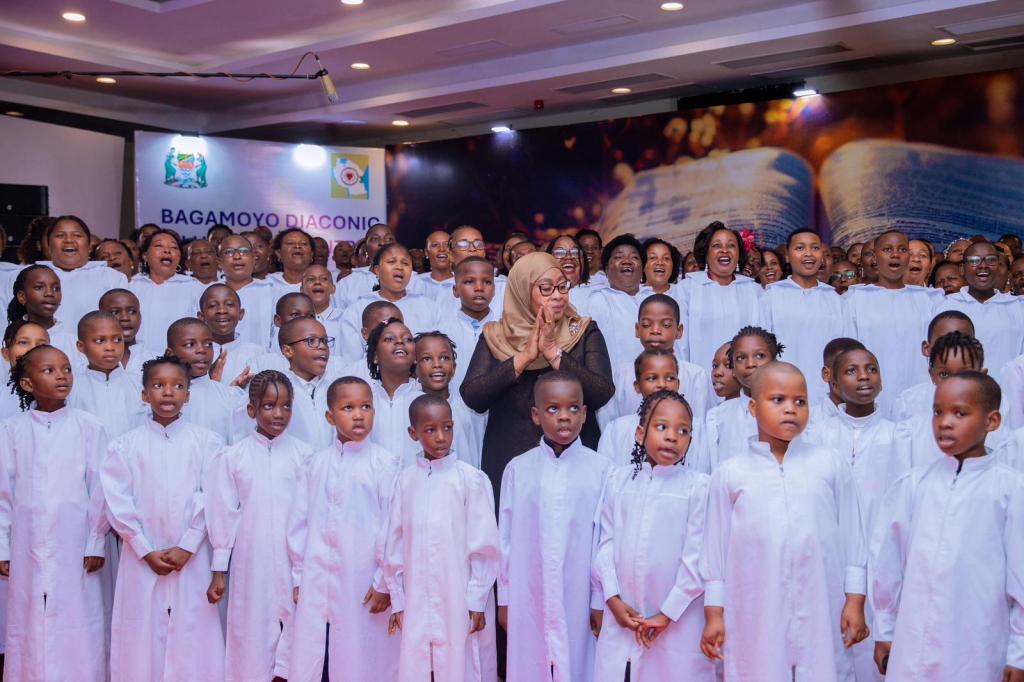
Rais wa Jamhuri ya Muungano wa Tanzania, Mhe. Dkt. Samia Suluhu Hassan akiwa na Kwaya Kuu ya Kanisa la Kiinjili la Kilutheri Tanzania (KKKT)-Kimara wakati ikiimba kwenye Harambee ya kuchangia ujenzi wa Kituo cha watoto wenye mahitaji maalum cha Bagamoyo Diaconic Lutheran Centre iliyofanyika Leo kwenye ukumbi wa Diamond Jubilee Jijini Dar es Salaam.Kituo hicho kinahamishwa kutoka maeneo ya Kijichi Dar es salaam amabko kwa sasa kuna changamoto za kimazingira kwenda Kitopeni Bagamoyo na kwamba kukamilika kwa kituo hicho kutasaidia watoto wengi zaidi kupata huduma.
 Kusini Kwetu