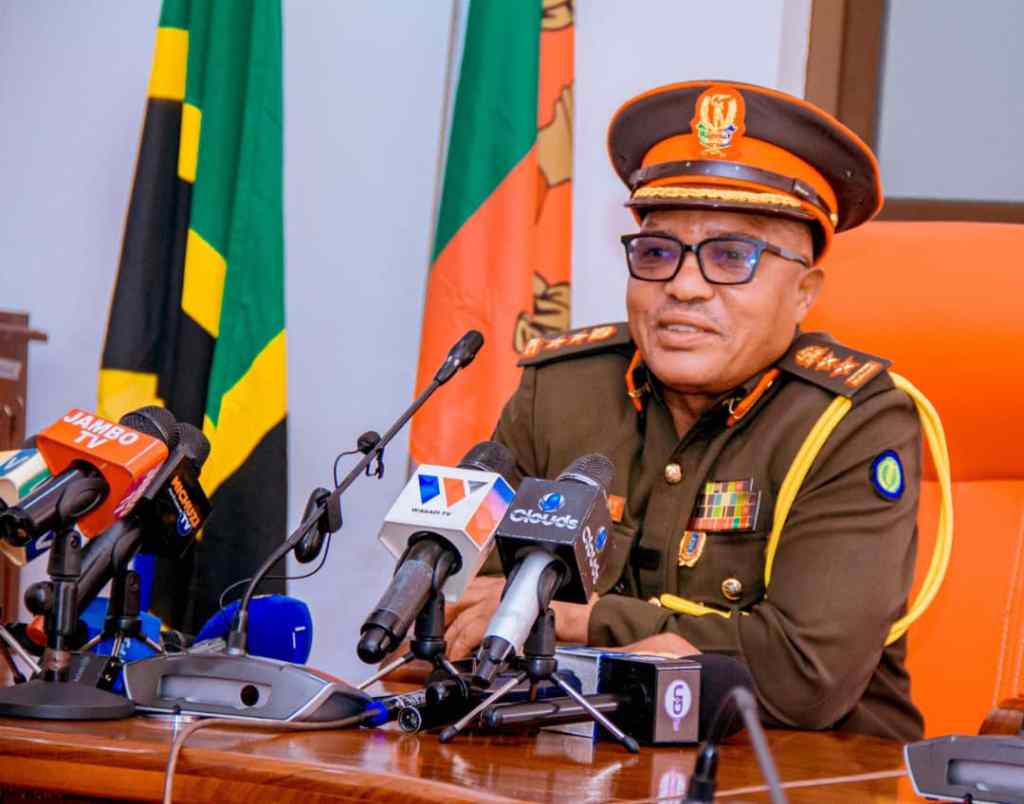
Mkuu wa Jeshi la Kujenga Taifa (JKT), Meja Jenerali Rajabu Mabele ametoa wito kwa vijana wote waliohitimu kidato cha sita mwaka 2025 kutoka shule zote Tanzania Bara kuhudhuria mafunzo ya JKT kwa mujibu wa sheria kwa mwaka 2025.
Akiwasilisha wito huo jana kwa niaba ya Mkuu wa Jeshi la Kijenga Taifa JKT Jijini Dodoma, Kaimu Mkuu wa Utawala wa JKT, Kanali Juma Mrai amesema vijana hao wanatakiwa kuripoti kwenye kambi mbalimbali kuanzia Mei 28 hadi Juni 08, 2025.
Alitaja kambi ambazo wahitimu hao watakwenda kuripoti kuwa ni JKT Rwamkoma – Mara, JKT Msange – Tabora, JKT Ruvu na JKT Kibiti – Pwani, JKT Mpwapwa na JKT Makutupora – Dodoma, JKT Mafinga -Iringa, JKT Mlale – Ruvuma, JKT Mgambo na JKT Maramba -Tanga, JKT Makuyuni na JKT Orjolo – Arusha.
‘Kambi nyingine ni JKT Bulombora, JKT Kanembwa na JKT Mtabila – Kigoma, JKT Itaka – Songwe, JKT Luwa na JKT Milundikwa – Rukwa pamoja na JKT Nachingwea – Lindi”, alisema Kanali Mlai.
Alisema wahitimu wenye ulemavu wa kuonekana kwa macho (Physical Disabilities) watatakiwa kuripoti katika Kambi ya Ruvu JKT iliyopo Mlandizi mkoani Pwani ambayo ina miundombinu ya kuhudumia watu wa aina hiyo.
Aidha aliwahimiza wazazi na walezi kuwapa ruhusa vijana wao kuhudhuria mafunzo hayo muhimu kwa maendeleo na kwa maisha yao ya baadae.
Mafunzo ya Jeshi la Kujenga Taifa (JKT) kwa mujibu wa sheria yanalenga kuwajenga vijana katika ujasiri, nidhamu na kuimarisha maadili ya kizalendo.
Serikali imetangaza utekelezaji wa Mkakati wa Kitaifa wa Matumizi ya Teknolojia za Kidijitali katika elimu ikijumuisha miongozo ya matumizi ya teknolojia katika shule, Vyuo vya Ualimu, Vyuo vya Ufundi na Vyuo Vikuu, pamoja na matumizi ya akili bandia (Artificial Intelligence) kwa mwaka 2025.
Kauli ya utekelezaji mkakati huo ilitolewa jana na Waziri wa Elimu, Sayansi na Teknolojia, Prof. Adolf Mkenda katika ukumbi wa Idara ya Habari Maelezo Jijini Dodoma wakati akielezea mafanikio ya serikali ya wamu ya sita na kubainisha maeneo kadhaa ya maboresho yatakayoongeza tija katika sekta ya elimu.
Alisema katika sekta ya elimu ya juu serikali imeanza ujenzi wa majengo ya madarasa, maabara na mabweni katika kampasi kuu na za pembezoni katika mikoa 16 ambayo haikuwa na taasisi za elimu ya juu.
Ujenzi huo unatokana na Mradi wa Elimu ya Juu kwa Mageuzi ya Kiuchumi (HEET) wenye thamani ya shilingi bilioni 972 na utaongeza uwezo wa taasisi za elimu ya juu nchini kudahili wanafunzi zaidi na kupunguza uhaba wa wahadhiri kwa asilimia 20.
“Tunahakikisha kwamba elimu yetu inazalisha wataalamu wenye ujuzi na stadi zinazohitajiwa katika soko la ajira ili kuchangia maendeleo ya Taifa letu,” alisema Profesa Mkenda.
Alisema pamoja na mafanikio hayo serikali imeandaa Mfumo wa Kielektroniki wa Tathmini ya Ujifunzaji unaolenga kurahisisha upimaji wa wanafunzi katika shule za msingi na kuimarisha huduma kwa walimu na wanafunzi wenye mahitaji Maalumu na maboresho ya mitaala katika ngazi zote za elimu.
“Serikali inaendelea kuimarisha mfumo wa elimu kupitia maboresho makubwa ya mitaala katika ngazi zote za elimu nchini ili kuongeza ujuzi, maarifa, tina na stadi za wanafunzi wanaohitimu”, alisema Profesa Mkenda.
Alisema serikali imeweka mfumo wa elimu nyumbufu ili kuhakikisha wanafunzi wanapokea ujuzi na maarifa yanayozingatia mahitaji halisi ya taifa na soko la ajira.
“Tumeweka somo la lazima la elimu ya biashara na historia ya Tanzania huku tukiboresha mifumo ya ufundishaji lugha ili kuongeza ufanisi wa ujifunzaji,” alisema Profesa Mkenda.
Alisema mitaala 389 katika elimu ya ufundi na mitaala 563 katika elimu ya juu imeboreshwa ili kuendana na Sera ya Elimu na Mafunzo ya Mwaka 2014, Toleo la 2023 pamoja na kuzingatia stadi za karne ya ishirini na mahitaji ya kitaifa, Kikanda na Kimataifa.
“Serikali inaendelea kufanya mapitio ya Sheria ya Elimu (Sura 353) ili kuendana na mabadiliko haya ya sera na mitaala”, alisema Profesa Mkenda.
Alisema wizara yake inaendelea kukusanya maoni kutoka kwa wadau mbalimbali wa elimu ili kuhakikisha sheria husika inakidhi mahitaji ya sasa ikiwemo ushirikishwaji wa umma.
Aliongeza kuwa serikali imehuisha miongozo mbalimbali ikiwemo Mwongozo wa Taifa wa Tuzo na Sifa Linganifu za Kitaaluma (TQF), Mwongozo wa Uanzishaji na Usajili wa Shule, Mwongozo wa Utambuzi wa Vipawa na Vipaji, pamoja na Mwongozo wa Mafunzo Endelevu ya Walimu Kazini.
Aidha, Waziri Mkenda amewataka wananchi na wadau wa elimu kuendelea kushirikiana na serikali katika kuimarisha mfumo wa elimu nchini ili kuhakikisha elimu inakuwa chachu ya maendeleo endelevu ya kiuchumi na kijamii.
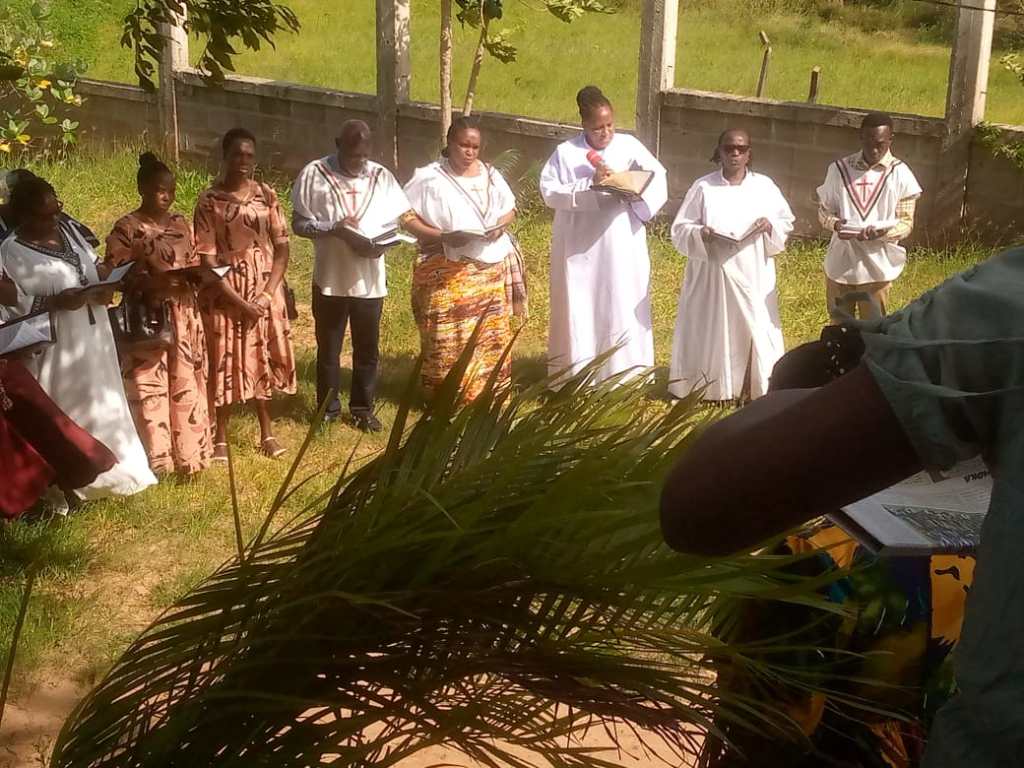
Mwinjilisti Neema Mhilu wa Kanisa la Kiinjili la Kilutheri Tanzania (KKKT) amesema suala la wakristo kuishi pamoja ni suala la kibiblia na kusisitiza kuwa Umoja wa Jumuiya ya Kikristo Tanzania unasawiri uhalisia huo.
Mwinjilisti Mhilu aliyasema hayo jana wakati wa mahuburi katika ibada ya Siku ya 5 baada ya Pasaka katika Mtaa wa Kwembe ambapo kwa mujibu wa kalenda ya KKKT ni siku ya Umoja wa Jumuiya ya Kikristu Tanzania yaani (CCT).
Alisema biblia inaagiza ndugu wakae pamoja kwa upendo akirejelea maneno kutoka kitabu cha Warumi 12:13-15 na kwamba kuishi pamoja kuna faida nyingi ikiwemo namna bora ya kujaliana na kuhudumiana tukiwa hapa duniani.
“Suala la umoja ni suala la kibiblia na lilianzishwa na Yesu mwenyewe”, alisema Mwinjilisti Mhilu
Alisema wakristo wanapaswa kuuenzi umoja huo kwa sababu kufanya hivyo ni kutekeleza maagizo ya Mungu na upendo ukitawala kuna faida nyingi ikiwemo kuishi kwa mshikamano na amani katika ngazi ya mtu na mtu lakini pia hata katika jamii na taifa na kuhusiana vyema na watu wengine wasio wakristo.
“Umoja huu ulinzishwa Mwaka 1934 na una vyama na taasisi 24 kwa madhumuni ya kumhubiri kristo ndani na nje ya Tanzania”, alisema Mwinjilisti Mhilu.
Aidha aliwataka wakristo kuuishi ukristo wao kwa matendo kwa kuwa matendo mema yanaendana na nguvu itakayowatambulisha kwa watu wasio wakristo ambao wanatambua nguvu na thamani ya ukristo na kuwaasa kubaki katika Imani zao badala ya kuhamahama kufuata miujiza.
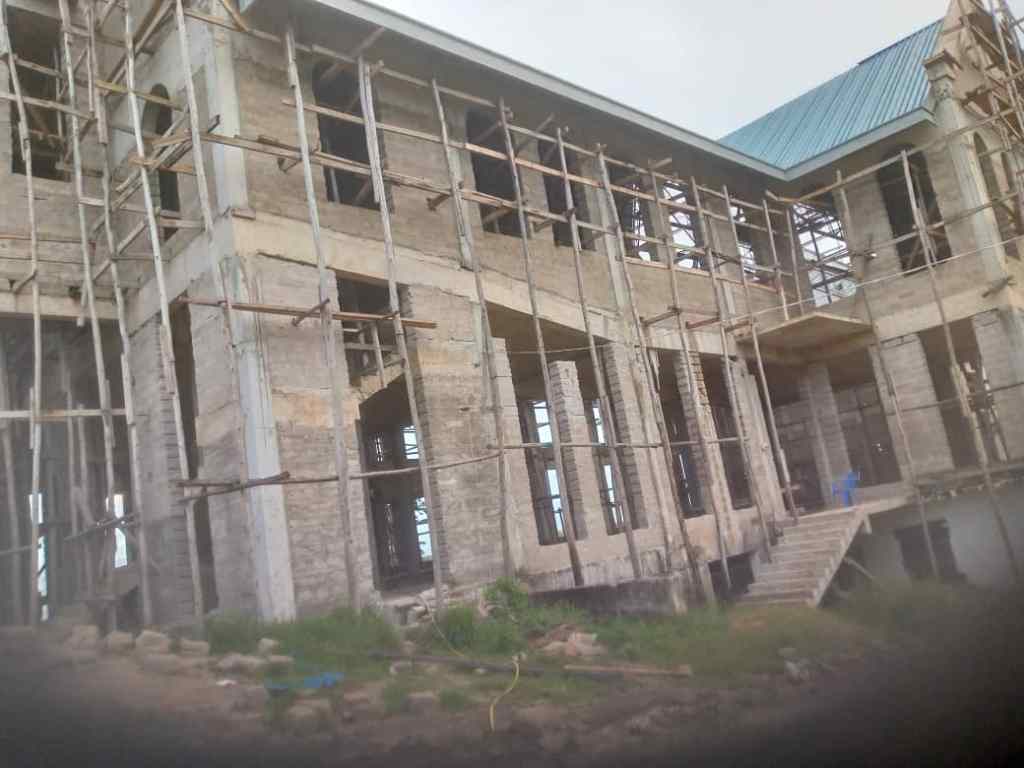
Kwa upande wake, Mwenyekiti wa Ujenzi Mtaani hapo, Exaud Mchome aliwataarifu washarika kuhusu kukamilika kwa kazi ya kuezeka jengo la kanisa na ambalo linaendelea kujengwa kwa sadaka za washarika mtaani hapo.
“Sehemu zilizobaki zitafanyiwa kazi kwa ushauri wa Mchungaji na katika kikao chetu cha leo tutafanya maamuzi ili kufikia wiki ijayo kazi hiyo iwe imekamilika kabisa”, alisema Mzee Mchome ambaye kwa sasa anafahamika kwa jina la Hagai.
Aliwakumbusha washarika kuendelea kukamilisha ahadi zao kwa awamu ya kwanza iliyoanza Januari mpaka Juni Mwaka 2025 huku akiwahakikishia kuwa taarifa ya mapato na matumizi ya pesa hizo zitaletwa kwa washarika ili waone.
Mtendakazi wa Mtaa huo, Anna Mauki aliwakumbusha washarika mambo kadhaa ikiwemo kuhudhuria ibada ya siku ya kupaa kwa Bwana itakayofanyika siku ya Alhamisi na kuendelea kutoa sadaka ya ujenzi wa kituo cha kimataifa cha watoto wenye mahitaji maalumu ambacho kinahamishwa kutoka Kijichi kwenda Dar es salaam Kitopeni, Bagamoyo.
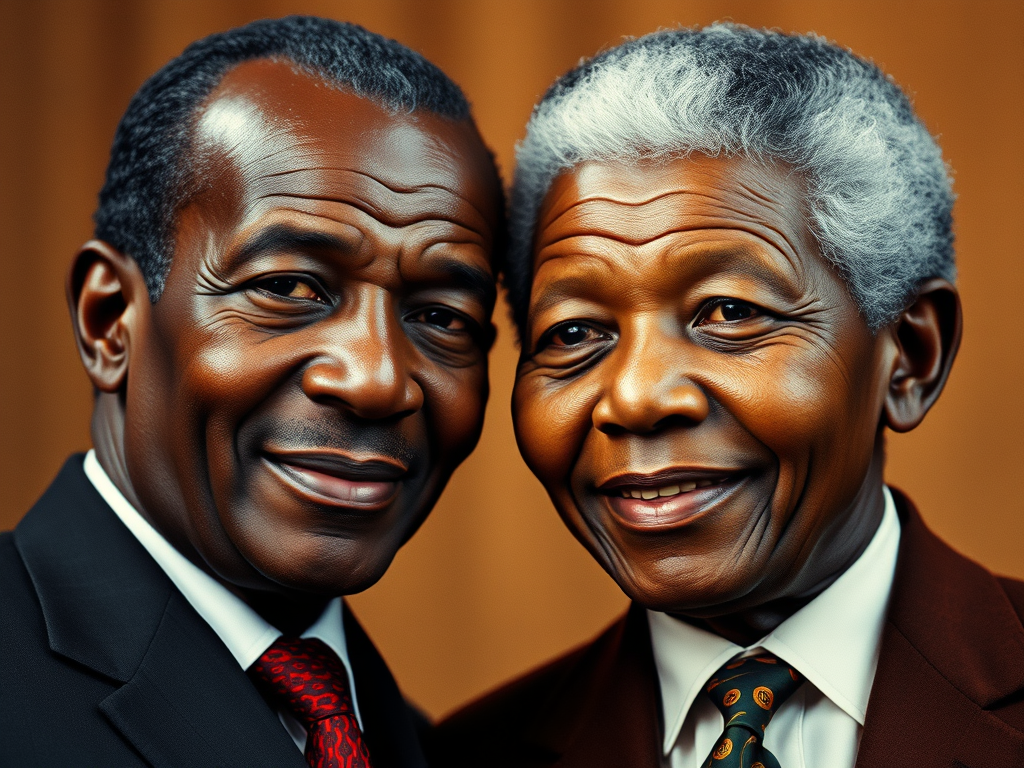
Nchi za Afrika zimetakiwa kuunganisha nguvu na kufanya kazi kwa kushirikiana badala ya kila nchi peke yake ili kupiga vita umaskini na kujikwamua dhidi ya unyonyaji na kuenzi ndoto na maono ya waasisi wa bara la Afrika ikiwemo Mwalimu Julius Nyerere na Neslon Mandela.
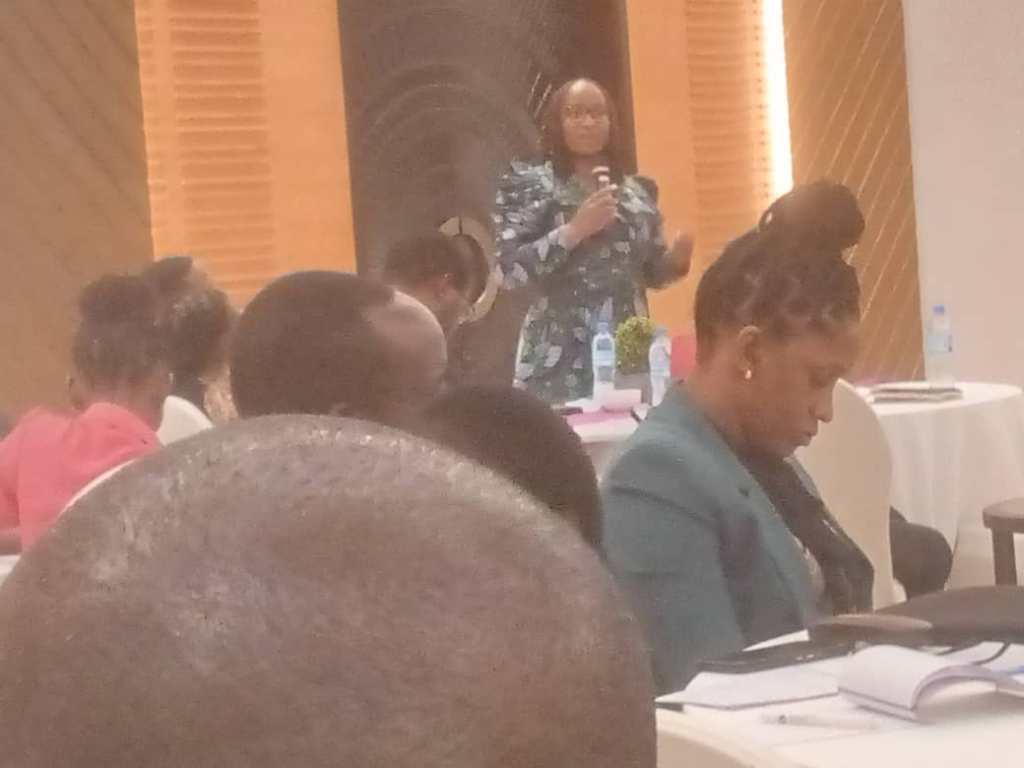
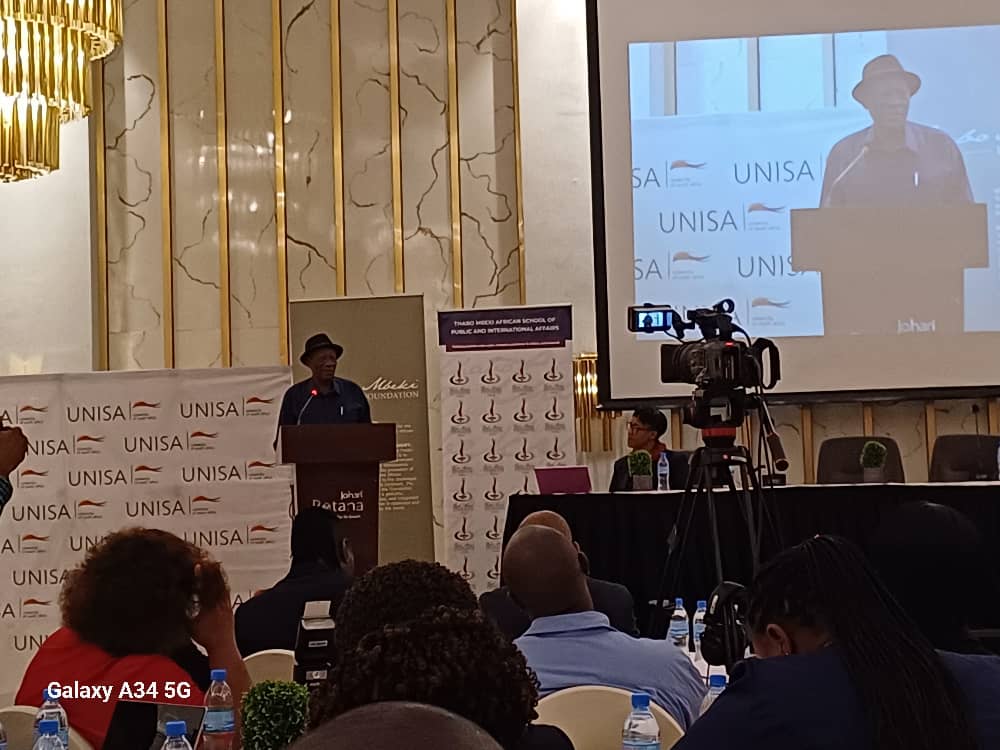
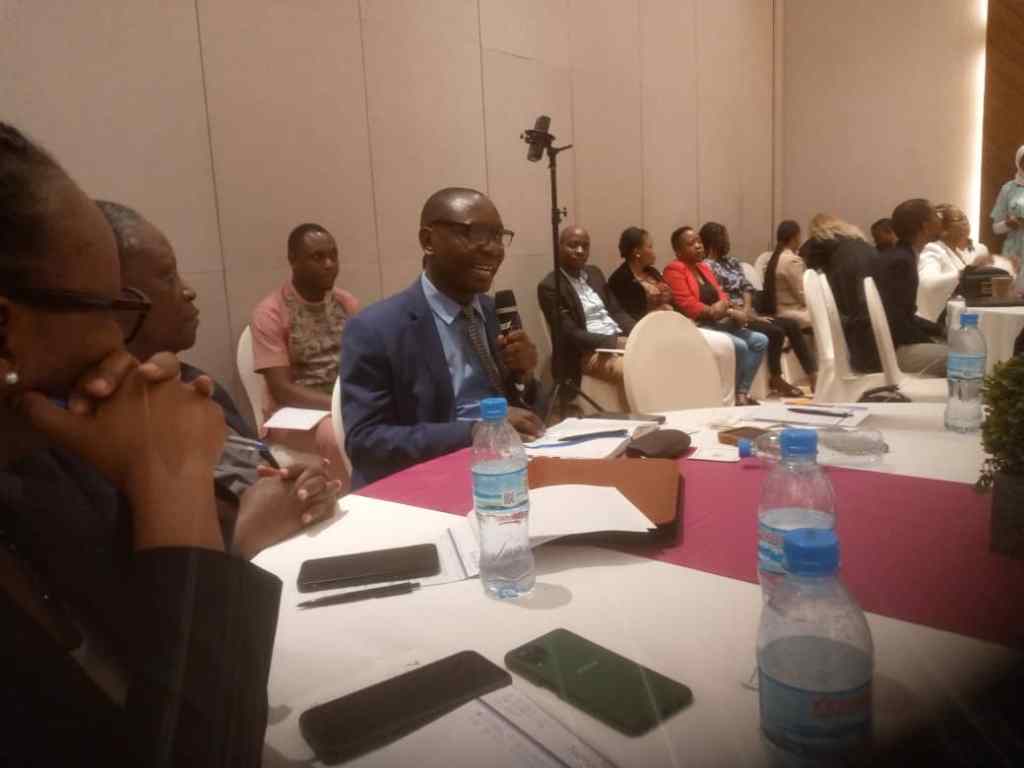
Hayo yalibainishwa na washiriki wa mjadala wa kitaaluma uliofanyika hivi karibuni katika ukumbi wa Hotel ya Johari Rotana, jijini Dar es salaam na kuhudhuriwa na wasomi, wanataaluma viongozi wa serikali, taasisi binafsi na wanadiplomasia wa ndani na nje ya Afrika.
Akiwasilisha mada katika mjadala huo, Profesa Senia Nhamo kutoka Chuo Kikuu cha Afrika Kusini (UNISA) alisema bado kuna faida kuwa ya kuungana na kufanya kazi pamoja kutokana na fursa za kiuchumi zinazopatikana kati ya mataifa ya Afrika ambayo inaweza kuwapa nguvu ya kiuchumi.
“Tunaweza kutumia rasilimali zetu na kufanya biashara kati yetu ikiwa tutapunguza urasimu na vikwazo katika kodi na ushuru wa forodha”, alisema Profesa Nhamo.
Alibainisha baadhi ya changamoto ambazo zikifanyiwa kazi zinaweza kusaidia katika kuboresha uchumi wa Afrika ikiwemo matumizi ya fedha moja pamoja na kundoa vikwazo vya ushuru wa forodha.
Aidha alizitaka serikali barani Afrika kuwekeza kwenye tafiti zenye tija na kwamba taasisi za elimu ya juu zisifungie tafiti kwenye maktaba badala yake matokeo ya tafiti yawe wazi kwa wananchi na yasaidie utatuzi wa chngamoto za jamii husika.
Mkurugenzi Mtendaji wa Taasisi ya Mwalimu Julius Nyerere, Joseph Butiku alisema Afrika inahitaji kuwa na mwendelezo wa mipango endelevu kiuongozi ili kufikia maendeleo inayoyakusudia.
“Kuna shida ya kutokuwepo kwa mwendelezo wa mipango na utekelezaji wa vipaumbele vya kimaendeleo kutokana na mabadiliko ya uongozi hivyo kuendelea kubaki nyuma”, alisema Butiku.
Alisema kila wakati na kila uongozi huja na vipaumbele vyake vya kiutekelezaji ambavyo wakati mwingine huwa ni vipya badala ya kuendeleza walivyovikuta ambavyo vilianzishwa na watangulizi wao.
Aidha alimshukuru Rais Thabo Mbeki kwa kuichagua Tanzania kuwa mwenyeji wa mjadala huo uliosaidia kufanya tathimini ya thamani ya uchumi wa bluu na kwamba uhusiano kati ya Tanzania na Afrika Kusini ni wa kihistoria tangu nyakati harakati za kupigania Uhuru.
Kwa upande wake, Mtafiti kutoka Chuo cha Taifa cha Ulinzi-Tanznia, Dkt. Lucy Shule alisema ushirikiano kati ya nchi na nchi na kikanda barani Afrika ni mojawapo ya mikakati itakayosaidia kuivusha Afrika kiuchumi kwa kuwa ushirikiano huongeza nguvu katika kufanya jambo badala ya kila nchi kufanya peke yake.
Aidha akizungumzia uchumi wa blue endelevu alisema bado kuna haja ya serikali za nchi za Afrika kutoa elimu ya dhana ya uchumi wa bluu na kuweka sera za ulinzi kwa wazawa ili wawe wanufaika wa mazao yanayotokana na rasilimali za bahari.
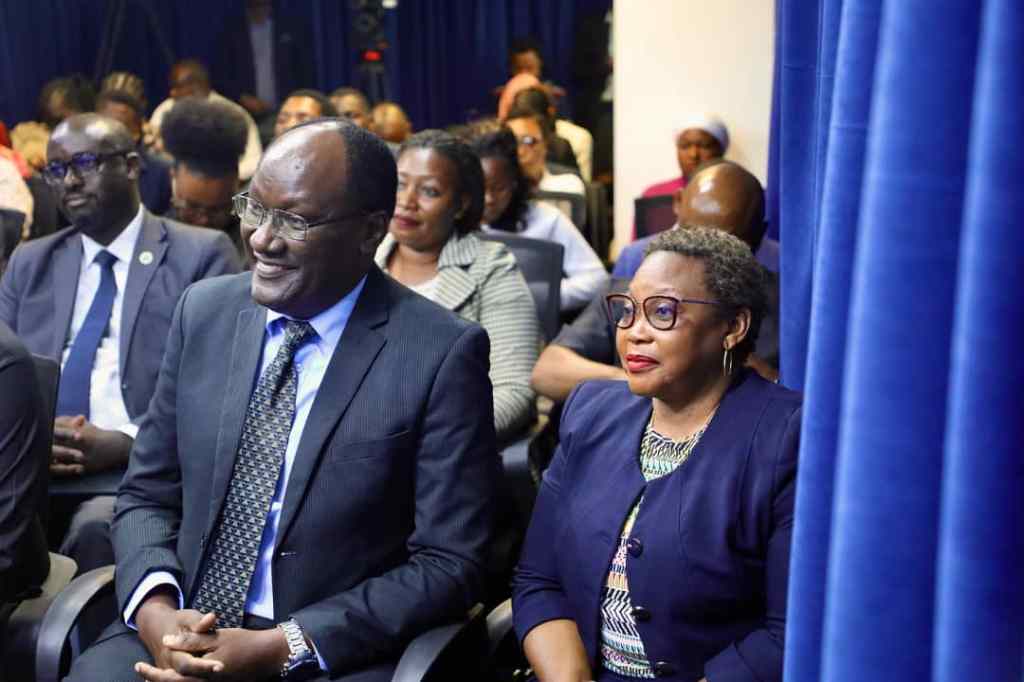
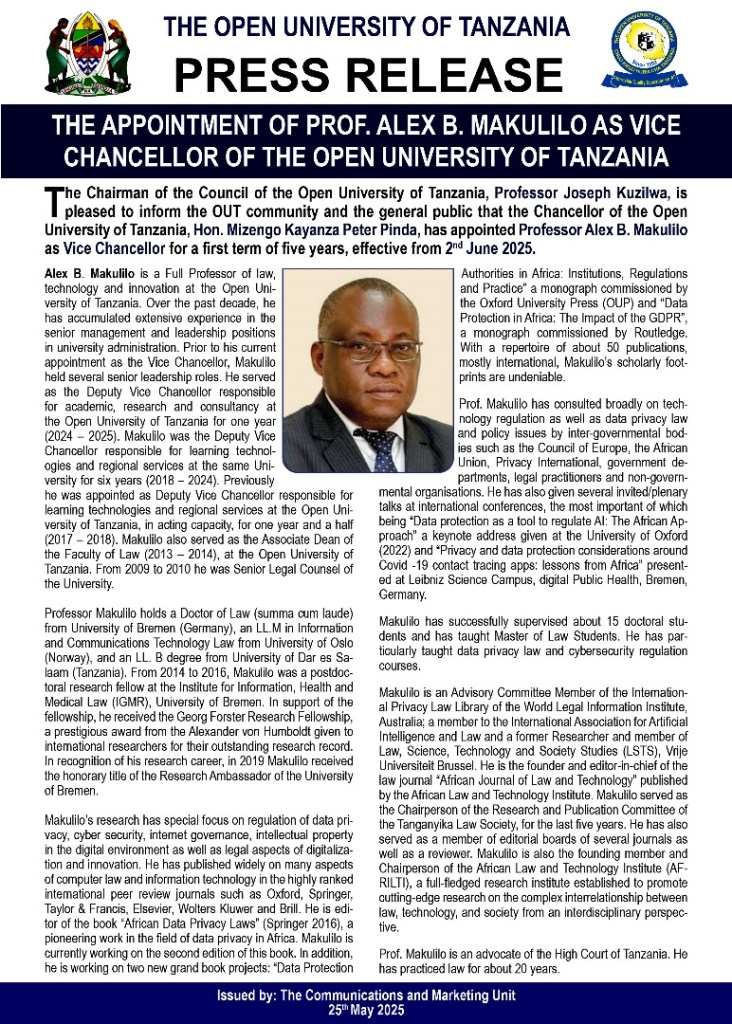
Mkuu wa Kitivo cha Sanaa na Sayansi za Jamii wa Chuo Kikuu Huria cha Tanzania, Dkt.Dunlop Ochieng alisema wakati mwingine mipango inayohusisha maendeleo ikiwemo uwekezaji imekuwa ikiwabagua wenyeji na matokeo yake ni kutopata ushirikiano mzuri.
Alisema katika kila aina ya shughuli ya maendeleo inayopaswa kufanyika mahali popote ni muhimu kuzingatia wazawa ili wawe ni sehemu ya maendeleo hayo badala ya kuwa wasindikizaji kwenye ardhi yao.
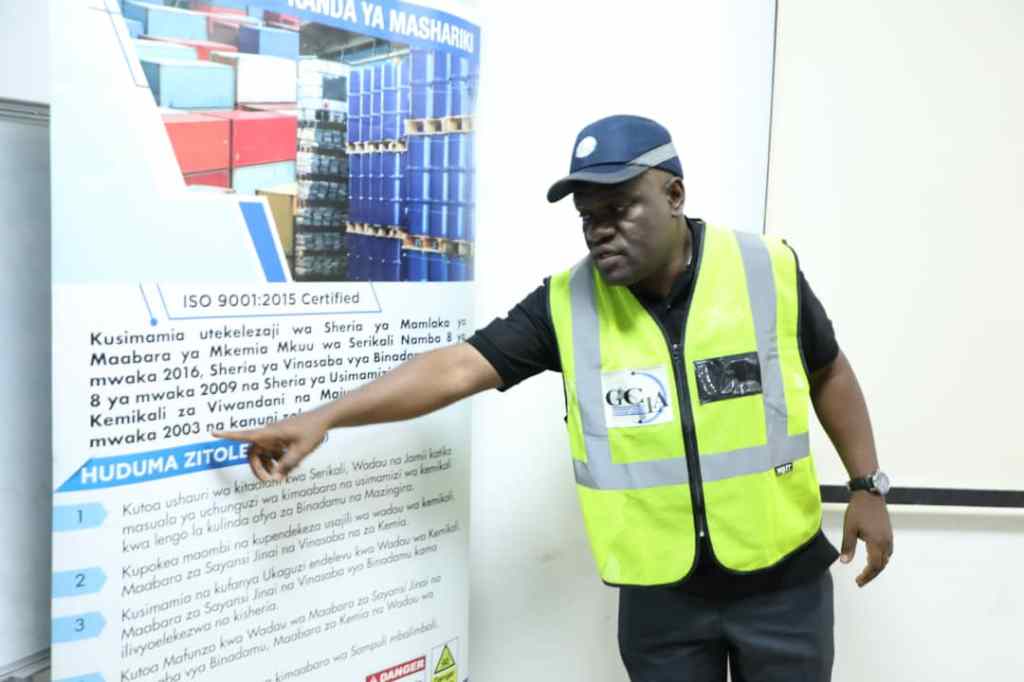
Meneja wa Mamlaka Ofisi ya Kanda ya Mashariki, Danstan Mkapa akielezea majukumu mbalimbali ya Mamlaka ya Maabara ya Mkemia Mkuu wa Serikali kwa madereva wanaosafirisha kemikali kutoka kampuni ya Golden Coach jijini Dar es Salaam.
Na Okello Thomas
Madereva wanaosafirisha kemikali hatarishi wametahadharishwa kutotumia dawa za kulevya wanaposafirisha kemikali hatarishi ili kujiepusha na ajali za barabarani zinazochangiwa na madhara ya dawa hizo.
Tahadhari hiyo imetolewa leo na Meneja wa Mamlaka ya Maabara ya Mkemia Mkuu wa Serikali Ofisi ya Kanda ya Mashariki, Danstan Mkapa wakati akifunga mafunzo kwa madereva wanaosafirisha kemikali kutoka kampuni ya Golden Coach ya Dar es Salaam hivi karibuni katika ukumbi wa mafunzo wa Golden Coach.
“Mamlaka ya Maabara ya Mkemia Mkuu wa Serikali imeona umuhimu wa kuandaa mafunzo haya kwa madereva wanaosafirisha kemikali hatarishi kwa kuwa wengi ni vijana na nguvu kazi ya taifa”, alisema Mkapa.
Alisema madereva wote wanaosafirisha kemikali hatarishi wanapaswa kuepuka kuendesha vyombo vya moto wakiwa wametumia vilevi kwasababu ni hatari kwao na ukizingatia mzigo wanaobeba na mazingira wanayopita na kuhitaji umakini sana.
Aidha, alisema matumizi ya madawa ya kulevya wakati wa usafirishaji, huathiri uwezo wa kufikiri, kutafakari na uwezo wa kuona jambo ambalo dereva anageweza kulifanyia maamuzi sahihi ili kuwa na thadahari za haraka bila kusabisha ajali ajali ambazo zingeweza kuzuilika.
Mkapa ametoa rai kwa wamiliki wa kampuni za kusafirisha kemikali hatarishi kuendelea kutoa elimu kwa madereva wao kuhusu ufahamu wa makundi ya kemikali wanazosafirisha kwa kushirikiana na Mamlaka ya Maabara ya Mkemia Mkuu wa Serikali na Mamlaka ya Kudhibiti na Kupambana na Dawa za Kulevya nchini.
Dereva wa kampuni ya Golden Coach, Saidi Kisindula alisema baada ya kupata mafunzo ya usafirishaji salama wa kemikali kutoka Mamlaka ya Maabara ya Mkemia Mkuu wa Serikali itawasaidia kuwa makini katika kazi hiyo.
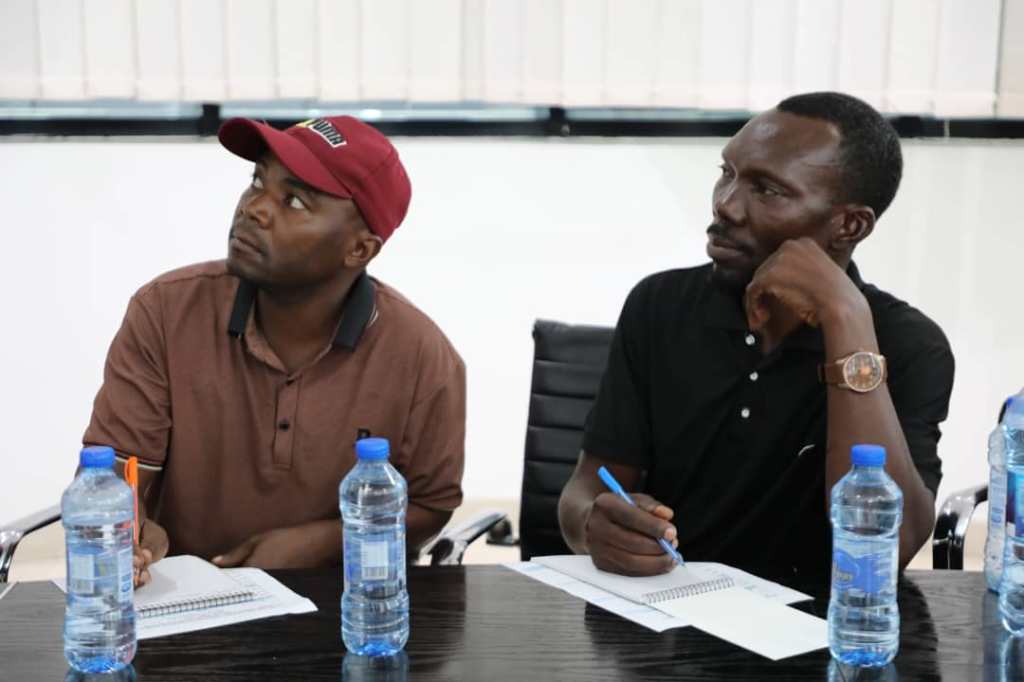
Madereva kutoka kampuni ya Golden Coach wakifuatilia mafunzo ya usafirishaji salama wa kemikali yaliyotolewa na Mamlaka ya Maabara ya Mkemia Mkuu wa Serikali.
Alisema wataendelea kuwa mabalozi kwa kuendelea kutoa elimu hiyo kwa madereva wenzao wanaofanya kazi hiyo ya usafirishaji wa kemikali katika makampuni mbambali nchini.
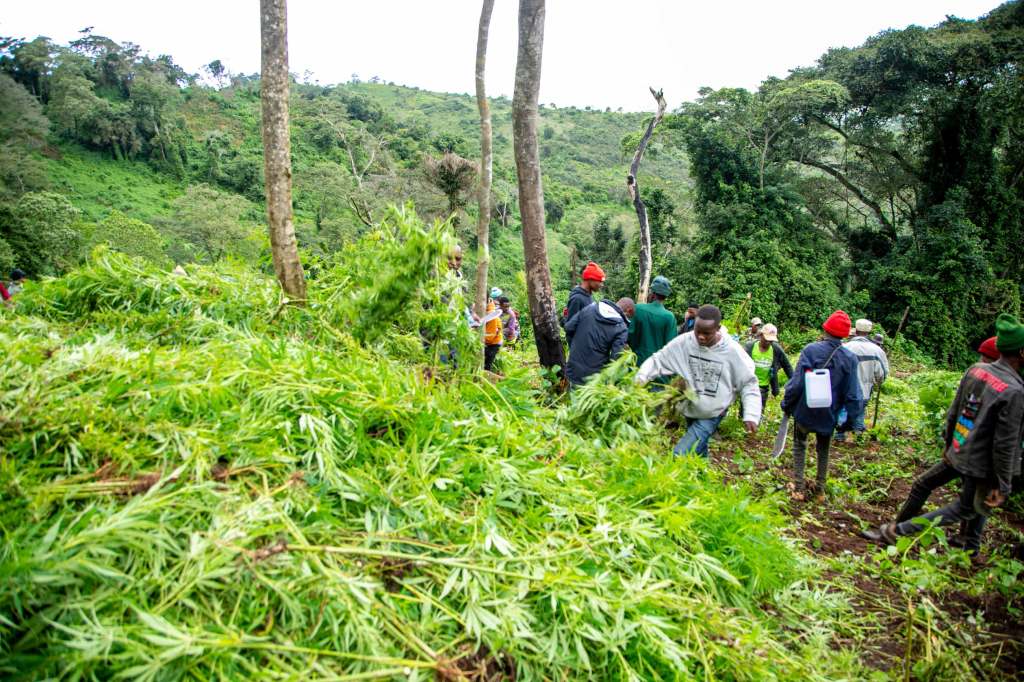
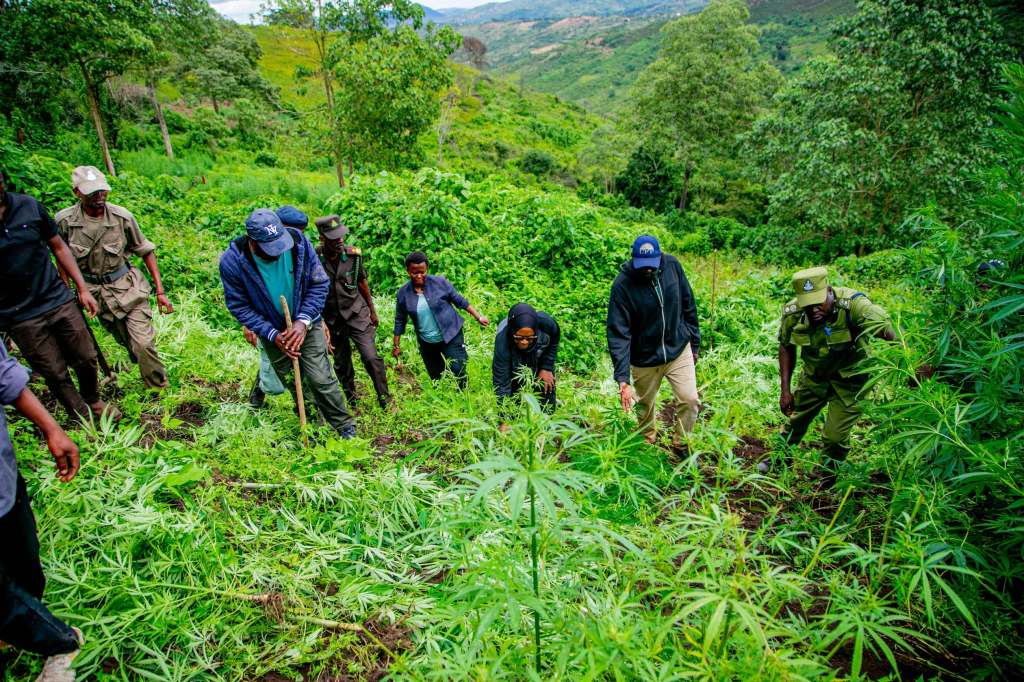
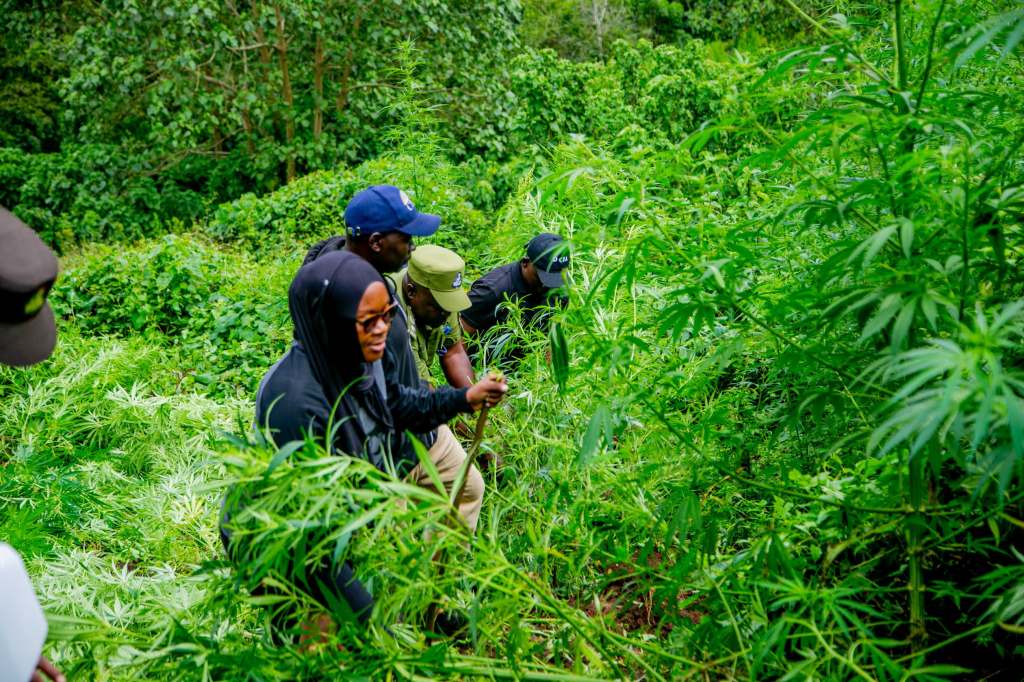
Mamlaka ya Kudhibiti na Kupambana na Dawa za Kulevya (DCEA), kwa kushirikiana na Kamati ya Ulinzi na Usalama ya Wilaya ya Kondoa pamoja na wananchi wa Kata ya Haubi wamefanikisha operesheni maalumu ya kutokomeza kilimo haramu cha bangi katika maeneo ya Hifadhi ya Milima ya Haubi, wilayani Kondoa, mkoani Dodoma.
Akizungumza kwa niaba ya Kamishna Jenerali wa DCEA, Naibu Mkuu wa Kitengo cha Mawasiliano ya Serikali wa Mamlaka hiyo, Daniel Kasokola, alisema operesheni hiyo iliyofanyika kuanzia Mwezi Mei 14 hadi 19,2025 na imefanikisha kuteketeza ekari 157 za mashamba ya bangi yaliyokuwa katika vijiji vya Ntomoko, Kinyasi na Haubi.
Aidha, watuhumiwa saba wanashikiliwa kwa mahojiano huku pikipiki mbili zikikamatwa katika maeneo ya operesheni.
“Operesheni hii ni ya pili kufanyika mwaka huu katika wilaya ya Kondoa ambapo mwezi Januari tulibaini na kuteketeza zaidi ya ekari 500 za bangi”, alisema Kasokola.
Alisema kupungua kwa mashamba hayo kutoka ekari 500 hadi 157 ni ushahidi kuwa wananchi wameanza kuelewa na kushiriki kikamilifu katika jitihada hizi na kwamba anapongeza kwa ushirikiano wao unaowezesha operesheni hiyo kufanikiwa.
Mkuu wa Wilaya ya Kondoa, Fatuma Nyangasa amesisitiza kuwa serikali ya Wilaya ya Kondoa itaendelea kushirikiana kwa karibu na mamlaka hiyo kuhakikisha kilimo cha bangi kinatokomezwa kabisa na kusisitiza kuwa elimu kwa wananchi itaendelea kutolewa ili waachane na kilimo haramu badala yake wajikite katika uzalishaji wa mazao halali ya chakula na biashara kama vile tumbaku, ufuta na maharage.
“Serikali ipo tayari kuwaongoza katika kilimo halali na chenye tija badala ya bangi, zaidi niwaombe wanachi washirikiane naserikali”, alisema Nyangasa.
Aidha Mamlaka ya Kudhibiti na Kupambana na Dawa za Kulevya itaendelea kuchukua hatua kali kwa yeyote atakayejihusisha na kilimo, biashara au usambazaji wa bangi na dawa nyingine za kulevya.


 Kusini Kwetu