Kamanda wa Polisi Mkoa wa Pwani Kamishna Msaidizi wa Polisi Salim Morcase.
Na Gabriel Msumeno, Pwani
Kamanda wa Polisi Mkoa wa Pwani, Kamishna Msaidizi wa Polisi, Salim Morcase amekutana na wamiliki wa viwanda wa Mkoa huo ili kusikiliza changamoto mbalimbali zinazowakabili na kujadiliana nao namna bora za kuzitatua ili wafanye shughuli zao za uwekezaji vyema.
Mkutano huo ulifanyika leo kwenye ukumbi wa Polisi Kibaha mjini ni sehemu ya jitihada za Jeshi la Polisi kuimarisha ushirikiano na makundi mbalimbali katika jamii na mwendelezo wa vikao na wafugaji, wafanyabiashara, waganga wa tiba asili, watu wenye ulemavu, maafisa usafirishaji, wawekezaji na wajasiriamali.
Alisema jeshi hilo linaendeleza falsafa ya Polisi Jamii kwa kukutana na watu wa makundi mbalimbali ili kuendelea kuimarisha mahusiano mema yatakayosaidia katika ulinzi na usalama kwa kuondoa matukio ya uhalifu.
Wamiliki wa viwanda walielezea changamoto zao za kiusalama, ikiwemo maeneo ya viwanda kuzungukwa na mapori, ubovu wa miundombinu ya barabara, na ukosefu wa vituo vya Polisi vya karibu, hali inayochangia kuongezeka kwa uhalifu hususani nyakati za jioni na usiku.
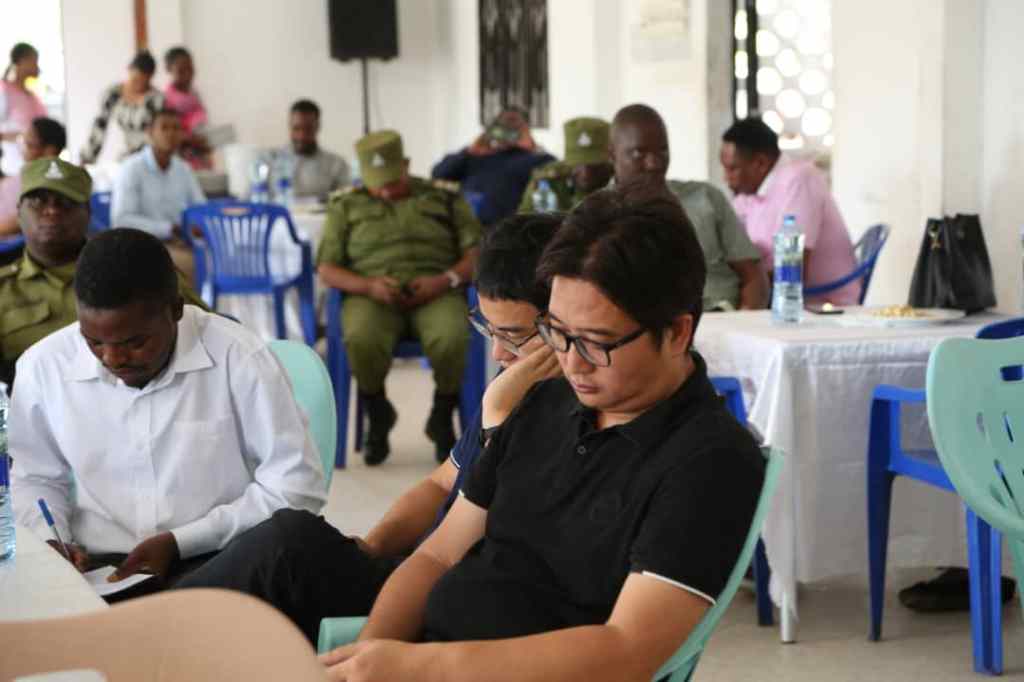
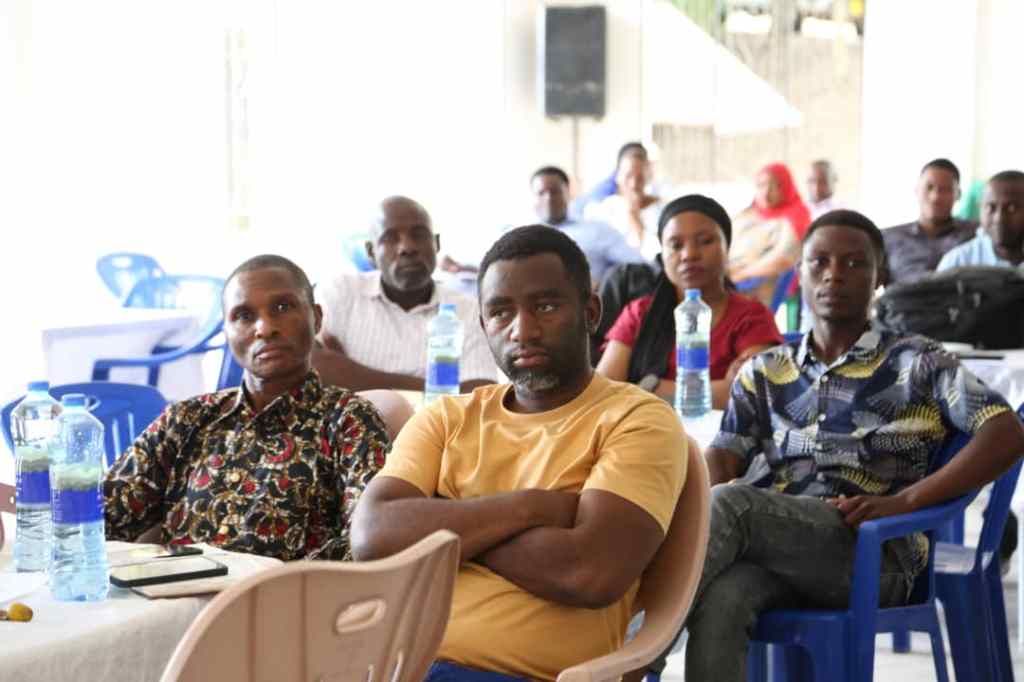
Baadhi ya wawakilishi viwanda mbalimbali Mkoani Pwani
Mwakilishi wa Wamiliki wa Viwanda Mkoa wa Pwani, Habibu Juma Issa kutoka kiwanda cha Bagamoyo Sugar alilishukuru Jeshi la Polisi Mkoa wa Pwani kufanya mkutano nao kwa lengo la kuimarisha ulinzi na usalama katika maeneo yote ya uwekezaji na kusaidia kukuza uchumi wa nchi kwa kujenga mazingira wezeshi kwa wawekezaji.
“Hii ni muhimu kwa kuwa itasaidia kuongeza ajira kwa vijana na kuongeza kipato, kuboresha doria na ulinzi maeneo ya viwanda ili tuweze kufanya kazi saa 24 kwa kupokezana usiku na mchana pasipo hofu ya kufanyiwa uhalifu na vibaka”, alisema Habibu.
Aidha, wamilki hao wa viwanda waliomba Jeshi la Polisi kutoa elimu kwa wawekezaji wageni kuhusu sheria na maadili ya kitanzania katika kazi ili kuepusha udhalilishaji na ukatili mahali pa kazi.
Akijibu baadhi ya hoja za washiriki katika mkutano huo, Kamanda Morcase alisisitiza kuwa kikao hicho ni fursa muhimu kwa Jeshi la Polisi kusikiliza changamoto zinazowakabili na kutafuta suluhu kwa pamoja na kuhaidi kuchukua hatua za haraka kushughulikia changamoto zinazowezekana kutatuliwa mara moja.
Kwa changamaoto zilizopo ndani ya uwezo wetu tutazishughulikia lakini ambazo zitahitaji kushirikiana na na idara tutafanyia kazi baada ya kushirikisha mamlaka husika, alisema Kamanda Morcase.
Mkoa wa Pwani ni miongoni mwa mkoa ya uwekezaji wenye takribani jumla ya viwanda 1,533 ambapo 33 kati yake ni viwanda vikubwa.
Watalaamu wa lugha wameonya kuwa sera za lugha zinazotumika katika nchi nyingi za Afrika zimekuwa kikwazo kikubwa kwa ustawi na uhai wa lugha za asili na lugha mama.
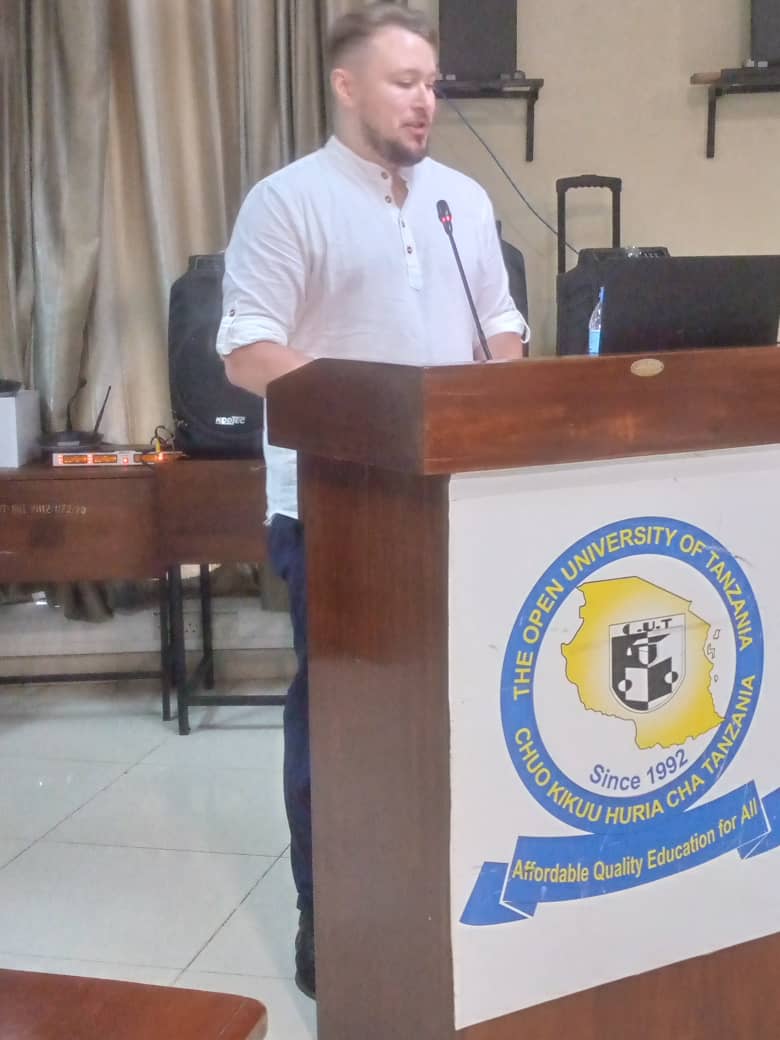
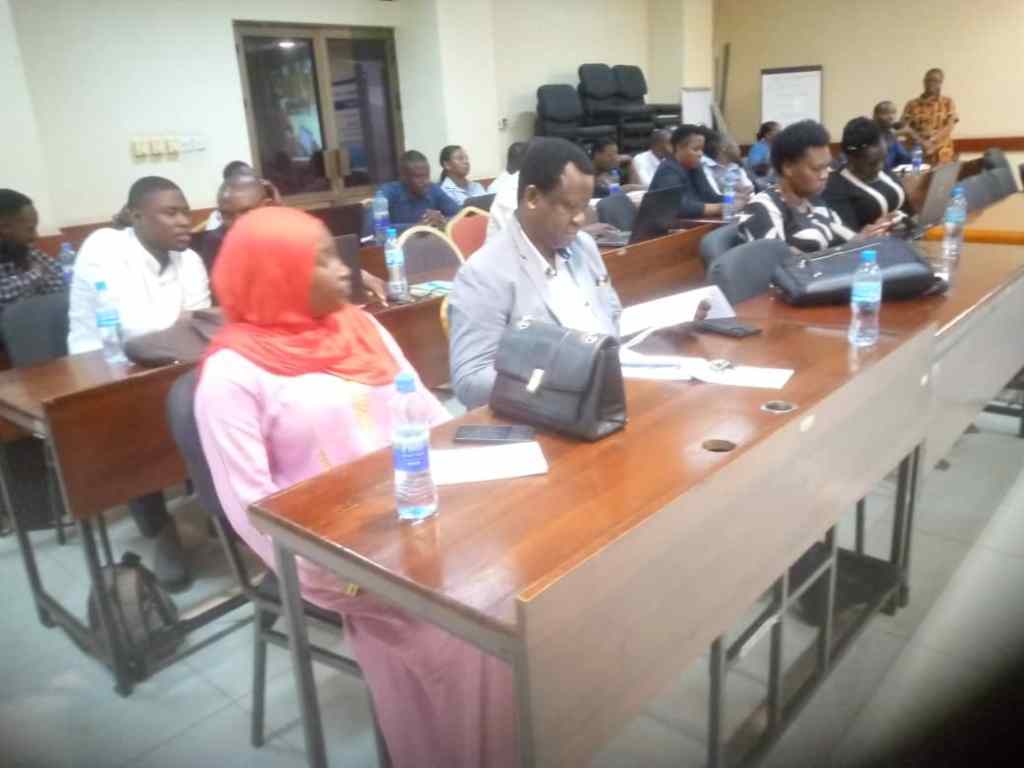
Hayo yamebainishwa na Mkuu wa Kitivo cha Sanaa na Sayansi za Jamii cha Chuo Kikuu Huria cha Tanzania, Mhadhiri Mwanndamizi, Dunlop Ochieng jana wakati akifunga mjadala wa kitaaluma kuhusu uhuishaji wa lugha mama uliofanyika katika Ukumbi wa chuo hicho, Kinondoni Jijini Dar es salaam na kuhudhuriwa na wanataaluma wa ndani na nje ya nchi.
Alisema lugha mama na za asili zimetengwa na sera zilizopo kwa sasa licha ya kutanabaisha kuwa lugha hizo zina mchango mkubwa katika kuhifadhi utambulisho, historia, na hazina ya maarifa yasiyoonekana yanayoweza kurithishwa kutoka kizazi kimoja hadi kingine.
“Sera zilizopo zinakandamiza lugha za asili kwa kuhimiza ujifunzaji wa lugha ya pili kwa gharama ya lugha ya kwanza (lugha ya mama),” alisema Dkt. Ochieng.
“Lugha kama Vidunda inayozungumzwa Mikumi, na Hadzabe inayozungumzwa katika mikoa ya Manyara na Singida zipo katika hatari kubwa ya kutoweka kutokana na athari za lugha zinazozungumzwa zaidi katika maeneo hayo,” alisema Dkt.Ochieng.
Alisema watoto wengi nchini wanakua bila kujifunza lugha za wazazi wao kutokana na kushamiri kwa Kiswahili pamoja na kasumba au mtazamo kuwa lugha za asili hazina umuhimu katika maisha ya kisasa.
“Lugha za asili hazipewi nafasi katika maeneo rasmi ya maamuzi na hutumika tu katika matukio ya kihistoria au sherehe maalum, lakini hazizingatiwi katika sera wala elimu,” alisema Dkt. Ochieng.
Mwanafunzi wa shahada ya Uzamivu katika Chuo Kikuu cha Warsaw nchini Poland, Talent Mudenda alitaja baadhi ya nchi ambazo zina sera na sheria zinazolinda lugha za asili licha ya kutokuwepo kwa kwa msukumo wa utekelezaji wake kutokana na kukosekana kwa tashi wa kisiasa.
“Nchi za Tanzania, Afrika ya Kusini na Zimbabwe zina sheria mahususi kwa ajili ya kulinda lugha za asili changamoto ni kusimamia utekelezaji wake”, alisema Mudenda.
Aidha alisema bado kunahitajika tafiti nyingi zaidi katika eneo la lugha mama na za asili ili kubaini matumizi na umuhimu wa lugha za hizo kwa jamii kulingana na miktadha ya uhtaji wake.
Darren Flavelle, Meneja wa Miradi ya Jamii kutoka Taasisi ya Maendeleo ya Lugha za Asili na Usomaji ya Watu wa Asili nchini Canada (CILLDI), Chuo Kikuu cha Alberta, alisisitiza umuhimu wa kuzilinda na kuzihuisha lugha za asili ulimwenguni ili kulinda upekee na utofauti wa kitamaduni na kujenga mifumo ya elimu jumuishi.
Kwa upande wake, Mhadhiri wa Lugha za Kigeni na Isimu kutoka Chuo Kikuu cha Dar es salaam, Ibrahimu Mussa alisema wakati mwingine watu huamua kutotumua lugha mama au za asili kwa makusudi fulani.
“Hatusomi tu lugha ili kuzijua bali tunaangalia faida zinazoambatana na lugha hizo”, alisema Dkt.Mussa.
Aidha alisema watanzania wengi wanatumia lugha za Kiwahili na Kiingereza kutokana na mahitaji yake kiofisi na katika seheemu rasmi.
Mjadala huo wa kitaaluma wa siku mbili uliandaliwa na kuratibiwa na Kitivo cha Sanaa na Sayansi za Jamii kwa kushirikiana na Idara ya Taaluma za Isimu na Fasihi pamoja na Kitengo cha Umataifishaji na Makongamano ya Kitaaluma na kuhudhuriwa na wataalamu wa lugha kutoka vyuo vikuu vya Tanzania, Burundi, Zimbabwe na Canada.
Language policies in many African countries are posing a serious threat to the survival and development of local and indigenous languages.
Speaking during the opening of a two-day academic engagement at the Open University of Tanzania (OUT) headquarters in Kinondoni, Dar es Salaam, Dean of the Faculty of Arts and Social Sciences, Dr. Dunlop Ochieng, highlighted the marginalization of local languages under current national and international language policies.
“Existing language policies tend to marginalize local languages, promoting subtractive bilingualism where learning a second language comes at the cost of the first,” said Dr. Ochieng.
He said local languages carry immense cultural value, history, and identity and are critical repositories of intangible knowledge but many are at risk of disappearing.
“Languages such as Vidunda in Mikumi and Hadzabe in the Manyara and Singida regions are on the brink of extinction, facing erosion from dominant surrounding languages,” he noted.
In Tanzania, the growing dominance of Kiswahili and perceptions that local languages are outdated or lack value have led to younger generations growing up without speaking the languages of their parents.
“Local languages are excluded from official domains and they appear only during ceremonial or historical references, not in policy or educational planning,” Dr. Ochieng added.
Deputy Principal for Academic, Research and Consultancy at Dar es Salaam University College of Education, Professor Amani Lusekelo warned that the neglect of indigenous languages has led to the loss of cultural context in Tanzania.
He said failing to include local languages in policy and planning undermines individuals’ rights to learn and use their native languages, calling it a violation of educational equity and community well-being.
Adding a global perspective, Darren Flavelle, Community Projects Manager at the Canadian Indigenous Languages and Literacy Development Institute (CILLDI) at the University of Alberta, emphasized the importance of revitalizing indigenous languages worldwide as a means to preserve cultural diversity and promote inclusive and equitable education systems.
Serikali imesema kupatikana kwa vifaa vya utafiti wa maji chini ya ardhi kuongeze tija katika masuala ya tafiti ili maeneo yenye changamoto ya upatikanaji wa maji yapate huduma hiyo muhimu.
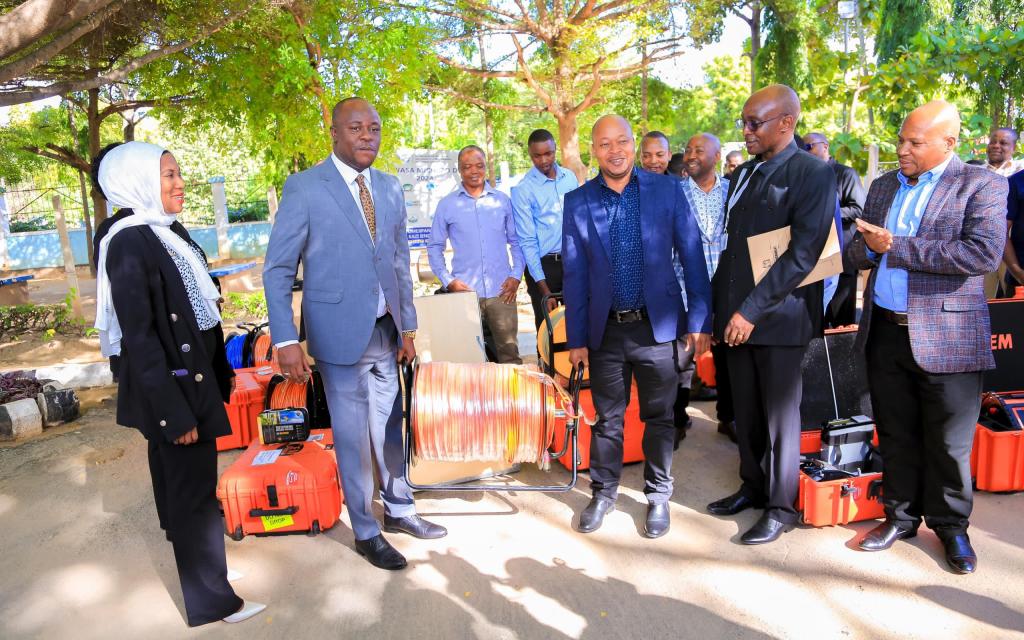
Kauli hiyo ilitolewa jana na Waziri wa Maji Mhe. Jumaa Aweso (Mb) kwa wataalamu wa Mabonde na wakati wa kukabidhi vifaa vya kisasa vya utafiti vilivyonunuliwa kwa fedha ya UVICO na kuwataka wafanye tafiti ili kupata majibu na suluhu endelevu ya upatikanaji wa huduma ya maji kwa wananchi.
“Vifaa hivi viwe chachu ya kuwaongezea uwezo wataalamu wetu na kuweka nguvu katika utafiti ili maeneo yaliyokuwa na changamoto ya upatikanaji wa maji yapate maji”, alisema Waziri Aweso
Mkurugenzi wa Idara ya Rasilimali za Maji Dkt. George Lugomela amesema vifaa hivyo vitawezesha kuchunguza uwepo wa miamba inayohifadhi maji kwa ufanisi hadi kina cha urefu wa mita 1000.
Vifaa hivyo ni pamoja na kifaa cha kuchunguza mipasuko katika miamba kwa njia ya sumaku (Magnetrometer), kifaa cha kuchunguza maji (terrameter), kifaa cha kupima kina cha maji (deeper), kifaa cha kuchunguza mikondo ya maji na kifaa cha kuchukua majira (GPS).
Dkt. Lugomela amemshukuru Rais wa Jamhuri ya muungano wa Tanzania Dkt Samia Suluhu Hassan kwa kuendelea kuwezesha kwa fedha zitakazosaidia kutimia kwa azma ya upatikanaji wa huduma ya maji kwa wananchi kwa asilimia 85 vijijini na 95 mjini ifikapo 2025.
Mgawanyo wa vifaa hivyo uliyagusa mabonde tisa ya maji nchini
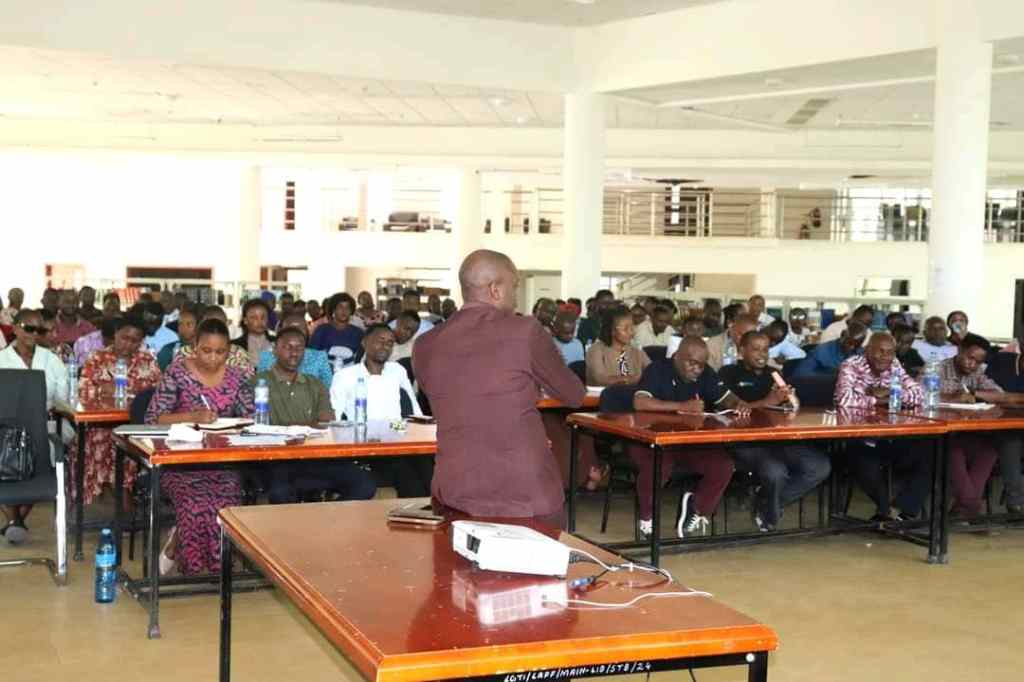
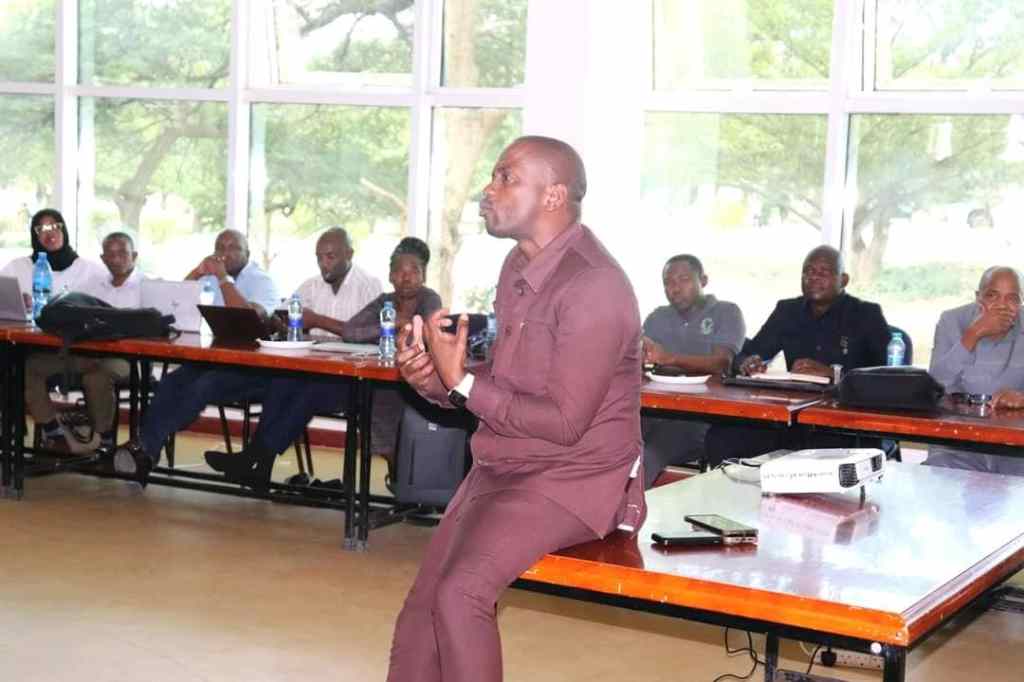
Chuo cha Serikali za Mitaa (LGTI) kimeendesha mafunzo maalumu kwa watumishi wake kwa lengo la kuboresha utendaji kazi na kuongeza ufanisi katika kutekeleza majukumu yao ya kila siku.
Mafunzo hayo yamefanyika leo katika ukumbi wa Maktaba ya Chuo, Kampasi Kuu Hombolo, yakiwahusisha watumishi kutoka Kampasi ya Hombolo na ile ya Dodoma mjini.
Miongoni mwa mada zilizowasilishwa ni pamoja na “Namna ya Kukabiliana na Msongo wa Mawazo Kazini”, iliyotolewa na Dkt. Garvin Kweka, Mtaalamu wa magonjwa ya figo kutoka Hospitali ya Taifa Muhimbili.
Mada nyingine zilihusu matumizi ya mfumo wa ndani wa upimaji utendaji kazi wa watumishi, na mbinu za utoaji wa huduma bora kwa wateja.
Zaidi ya watumishi 200 wameshiriki mafunzo hayo, yakiongozwa na Mkuu wa Chuo, Dkt. Lameck Mashala, ambaye aliwataka washiriki kuyatumia mafunzo hayo kama nyenzo ya kuongeza tija katika utumishi wa umma.
It is always reassuring to receive information from a credible authority something the field of journalism heavily relies on to ensure accuracy and public trust. Similarly, academicians are entrusted with this responsibility, as they are recognized experts in their respective fields of study.
Their specialized knowledge, acquired through years of academic pursuit, positions them as reliable sources of information and insight.
But who exactly is an academician? An academician is a member of an academic institution or association dedicated to the advancement of knowledge in the arts, sciences, or humanities.
In many countries, the term academician is broadly used to describe anyone employed by a higher education institution to teach and/or conduct research.
In contrast, the title Professor is often reserved for individuals who hold that official rank, and in some cases, only for senior academics who have attained the status of full Professor.
Academicians earn respect and recognition from society based on their areas of expertise, which positions them as trusted sources of information. For example, a medical doctor, engineer, or surgeon is generally regarded as a credible authority within their field.
Because of this trust, academicians have a responsibility to uphold the highest standards of professionalism and integrity to maintain their credibility in the eyes of the public.
However, according to Professor Elifas Bisanda, Vice Chancellor of the Open University of Tanzania, some academicians develop negative attitudes toward various issues, which can diminish their relevance and significance in the public sphere.
“In some cases, educated individuals are corrupt and display a negative attitude toward the implementation of various initiatives,” notes Professor Bisanda.
In recent years, public trust in academicians has declined for several reasons, one of which is their involvement in politics. Some highly respected academicians have been influenced by political affiliations, resulting in a loss of credibility and reputation.
However, perhaps we should not be too quick to judge them, as many have simply pursued better opportunities in search of greener pastures.
At times, academicians are not trusted because their statements are perceived as politically motivated, which diminishes the impact and credibility of their contributions. In certain situations, they are also divided in terms of beliefs and positions on key issues, which further weakens their collective voice.
A recent example is the 2023 revised Education and Training Policy, which has sparked significant debate among academicians.
“We have those who oppose and those who support the implementation of the policy,” explains Professor Bisanda. This division reflects the broader challenge of achieving consensus within the academic community on national matters.
Professor Makenya Maboko from the University of Dar es Salaam states that the newly revised Education and Training Policy emphasizes the acquisition of knowledge, skills, and attitudes that promote employability and self-employment.
“Tanzania needs to transform its curricula through effective policy implementation and adopt best practices in competency-based education from the lower levels, in order to produce graduates who are truly competent,” says Professor Maboko.
He further explains that the establishment of competency-based programs is essential for addressing the demands of the labour market and tapping into the country’s economic opportunities.
Dr. Chacha Matoka, a lecturer from the Faculty of Business Management at the Open University of Tanzania, argues that the implementation of the newly revised policy should be delayed due to inadequate preparation—ranging from infrastructure to human resources.
“For example, distributing tablets to teachers across the country has proven ineffective, as many are using them for chatting and other non-beneficial purposes, rather than for educational advancement,” says Dr. Chacha.
Others argue that the medium of instruction in Tanzania poses a significant challenge to the successful implementation of the newly revised Education and Training Policy of 2023. The use of language in teaching is seen as a barrier that hinders the effective execution of the policy’s goals.
Currently, Tanzania employs both English and Kiswahili as languages of instruction at different levels of education. This dual-language approach can create confusion, inconsistency, and difficulties in comprehension, particularly when transitioning between education levels.
According to Professor Bisanda, language is not the primary factor affecting the implementation of the policy, as many people claim. Instead, he emphasizes the importance of aligning the skills teachers impart with the actual needs of learners.
“The language of instruction is not a problem for children and students; rather, the issue lies with teachers and lecturers who may struggle when using Kiswahili as the medium of instruction,” says Professor Bisanda.
He further insists that the language used in teaching should be compatible with the local environment—reflecting the context in which a child is raised and learns from early childhood.
Professor Makenya Maboko from the University of Dar es Salaam emphasizes that Tanzania needs to reform its curricula through effective policy measures and adopt best practices in competency-based education, starting from the lower levels. This, he argues, will shape the future of learners and determine their prospects after completing each stage of education.
He adds that the newly revised education and training programmes must be redesigned to focus on the acquisition of knowledge, skills, and attitudes that promote both employability and self-employment.
“Educational programs must be more closely aligned with the needs of the labour market and the economic opportunities available in the country,” says Professor Maboko.
This article highlights the vital role academicians play in disseminating credible information and building trust within society. Their expertise positions them as key contributors to national development, particularly through education and informed public discourse.
However, it also sheds light on the growing challenges they face—ranging from corruption and political influence to a noticeable decline in public confidence. These issues underscore the need for academicians to uphold high ethical standards and remain committed to practices that align with their professional responsibilities and the broader interests of society.







 Kusini Kwetu
