By Vincent Mpepo
Language policies in many African countries are posing a serious threat to the survival and development of local and indigenous languages.
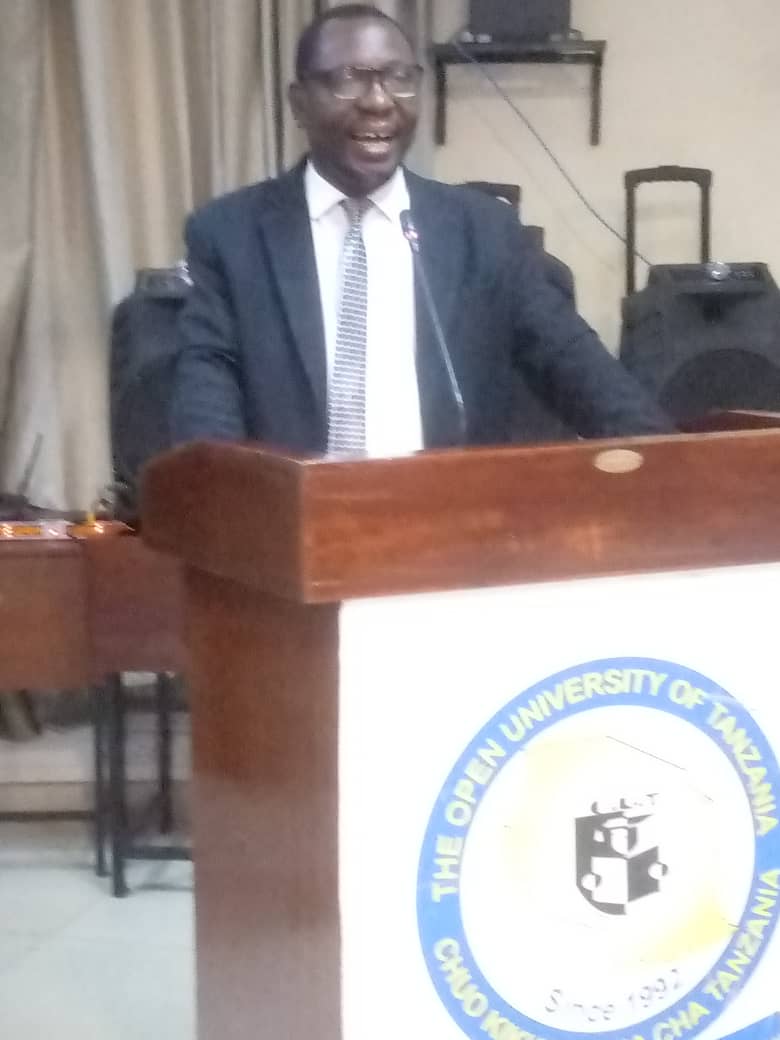
Speaking during the opening of a two-day academic engagement at the Open University of Tanzania (OUT) headquarters in Kinondoni, Dar es Salaam, Dean of the Faculty of Arts and Social Sciences, Dr. Dunlop Ochieng, highlighted the marginalization of local languages under current national and international language policies.
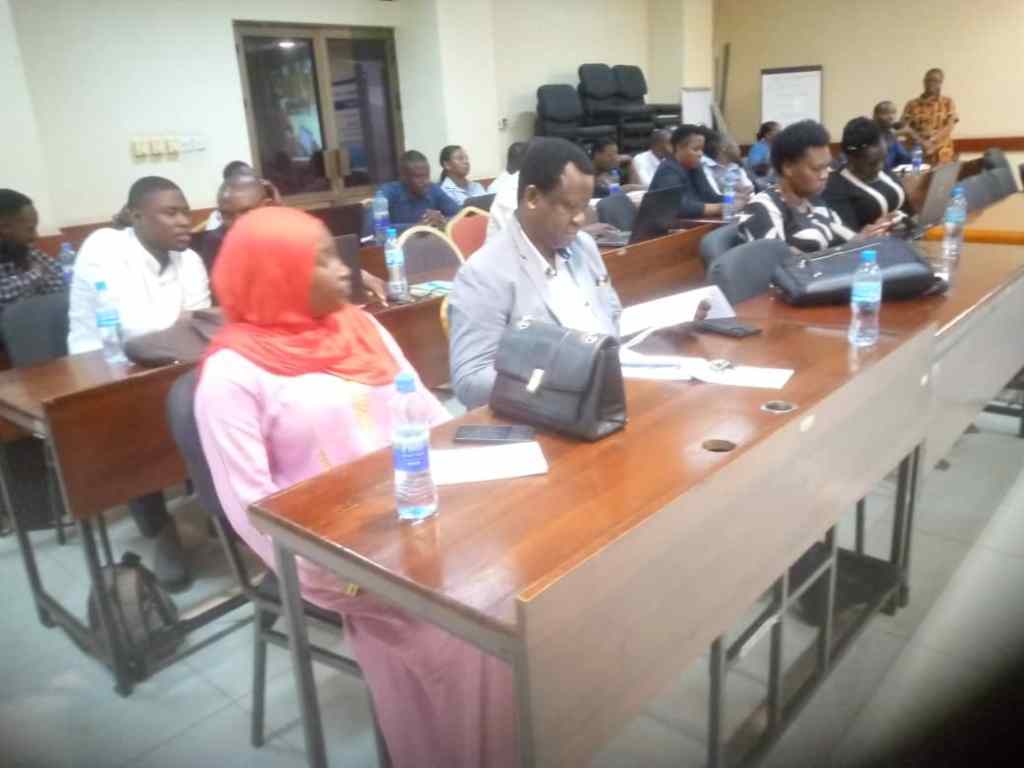
“Existing language policies tend to marginalize local languages, promoting subtractive bilingualism where learning a second language comes at the cost of the first,” said Dr. Ochieng.
He said local languages carry immense cultural value, history, and identity and are critical repositories of intangible knowledge but many are at risk of disappearing.
“Languages such as Vidunda in Mikumi and Hadzabe in the Manyara and Singida regions are on the brink of extinction, facing erosion from dominant surrounding languages,” he noted.
In Tanzania, the growing dominance of Kiswahili and perceptions that local languages are outdated or lack value have led to younger generations growing up without speaking the languages of their parents.
“Local languages are excluded from official domains and they appear only during ceremonial or historical references, not in policy or educational planning,” Dr. Ochieng added.
Deputy Principal for Academic, Research and Consultancy at Dar es Salaam University College of Education, Professor Amani Lusekelo warned that the neglect of indigenous languages has led to the loss of cultural context in Tanzania.
He said failing to include local languages in policy and planning undermines individuals’ rights to learn and use their native languages, calling it a violation of educational equity and community well-being.
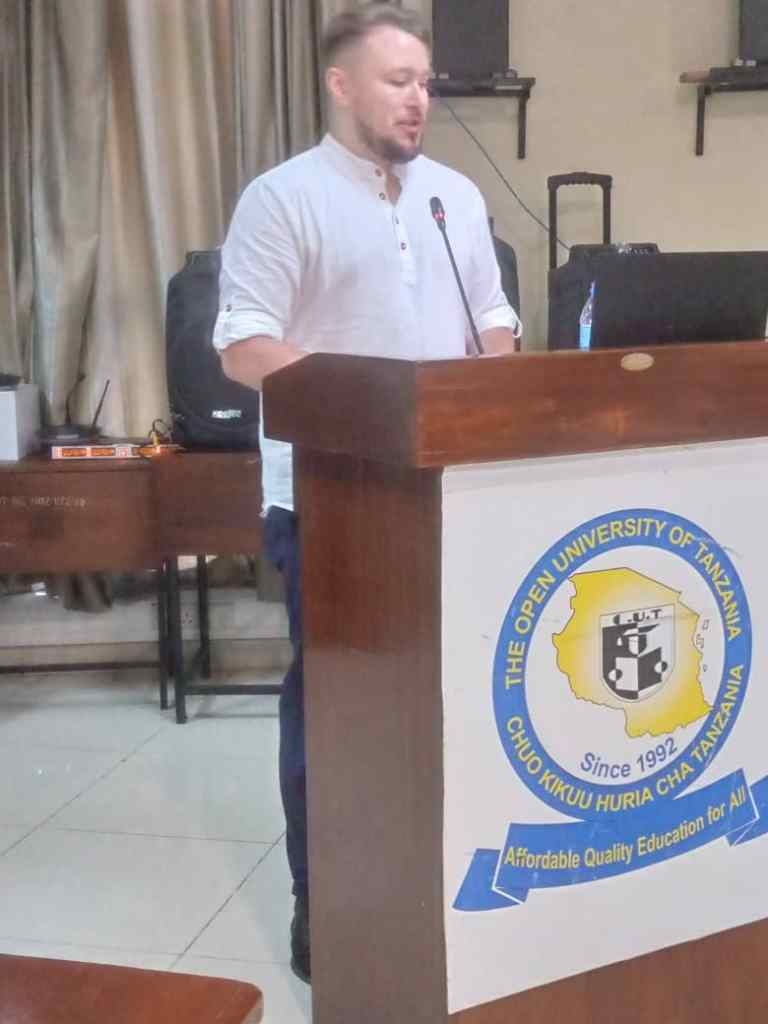
Adding a global perspective, Darren Flavelle, Community Projects Manager at the Canadian Indigenous Languages and Literacy Development Institute (CILLDI) at the University of Alberta, emphasized the importance of revitalizing indigenous languages worldwide as a means to preserve cultural diversity and promote inclusive and equitable education systems.
 Kusini Kwetu
Leave a comment